Arashi Beach is one of Aruba's hidden treasures, located near the California Lighthouse on the island's northwestern tip. Known for its crystal-clear waters, soft white sand, and excellent snorkeling conditions, it offers a peaceful escape away from the larger resort areas. Whether you're swimming, snorkeling, or watching the sunset, Arashi Beach delivers an unforgettable Caribbean experience.
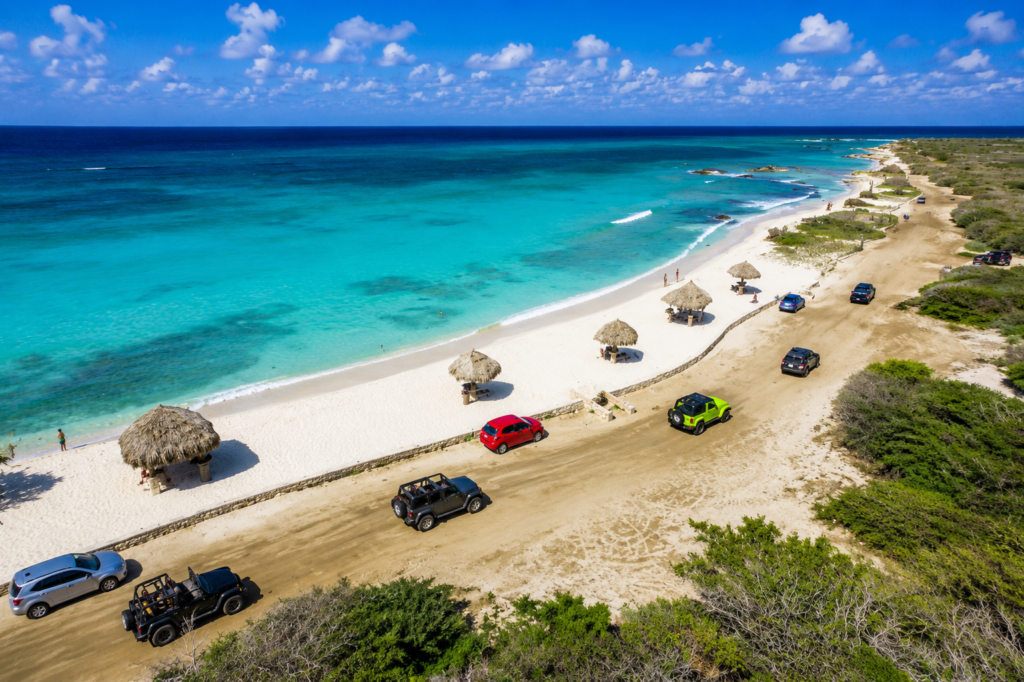
Bring your snorkeling gear and explore the rocky areas along the shoreline, where colorful tropical fish can often be seen in the clear waters.
Boca Catalina is a small, peaceful beach known for its crystal-clear waters and exceptional snorkeling opportunities. Located between Arashi Beach and Malmok, this hidden gem offers a quiet escape where visitors can explore colorful marine life just a few steps from shore.
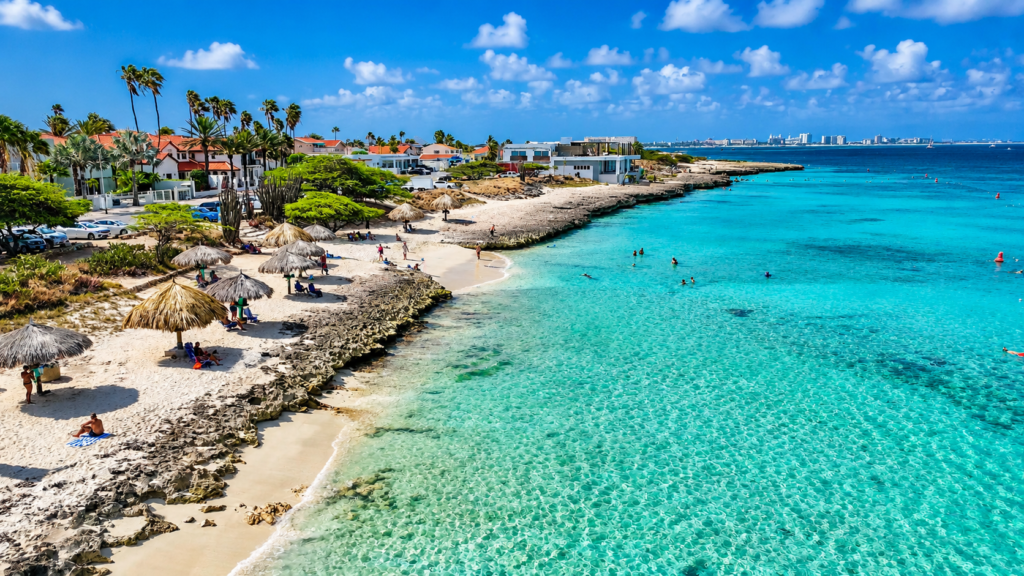
Arrive early in the morning when the water is at its calmest and visibility for snorkeling is at its best.
Malmok Beach is a peaceful stretch of coastline on Aruba's northwestern shore, known for its crystal-clear waters, excellent snorkeling opportunities, and relaxed atmosphere. Unlike Aruba's larger sandy beaches, Malmok features rocky shorelines and easy access to some of the island's most popular underwater sites, making it a favorite among snorkelers and divers.
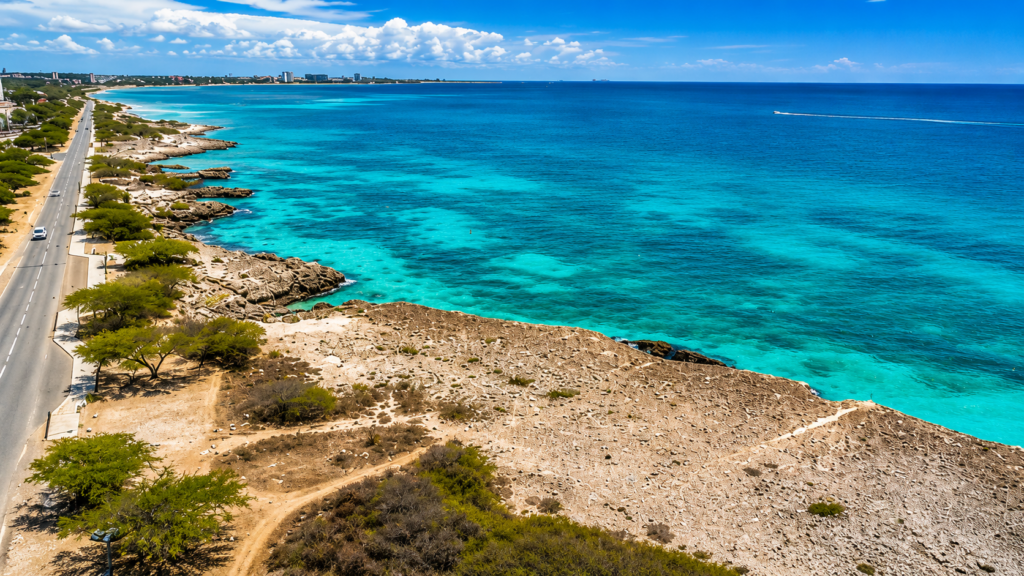
Bring your own snorkeling gear. The clear waters around Malmok offer excellent visibility and access to colorful marine life just a short distance from shore.
Bring your snorkeling gear and explore the waters near Malmok Beach, home to several popular snorkeling spots, including the famous SS Antilla shipwreck area.
The Antilla Shipwreck Viewpoint offers views of one of the Caribbean's most famous shipwrecks. The SS Antilla, a German cargo ship scuttled during World War II, rests just offshore and has become one of Aruba's most popular snorkeling and diving sites. While much of the wreck is underwater, the viewpoint provides visitors with a chance to learn about its history and enjoy the surrounding coastal scenery.
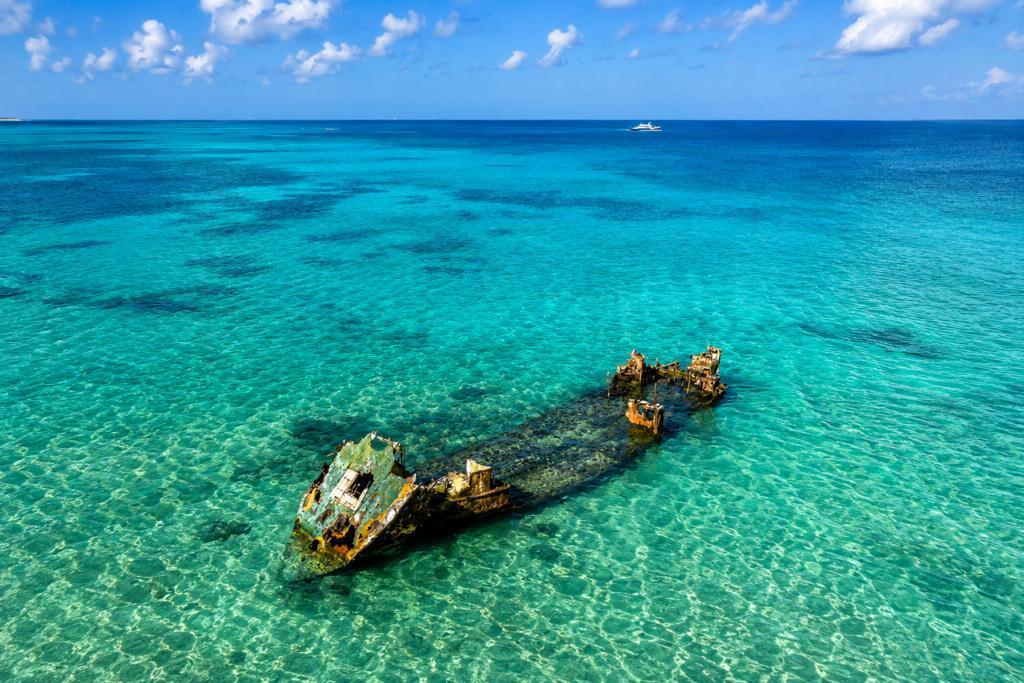
Bring binoculars or visit during calm sea conditions for the best chance to spot portions of the historic wreck from the shoreline.
Hadicurari Beach, also known as Fisherman's Huts, is Aruba's premier destination for windsurfing and kitesurfing. Located on the island's northwest coast, this beach offers steady trade winds, shallow waters, and spectacular views of colorful kites dancing across the Caribbean sky. It is a favorite spot for both professional athletes and beginners looking to experience Aruba's adventurous side.
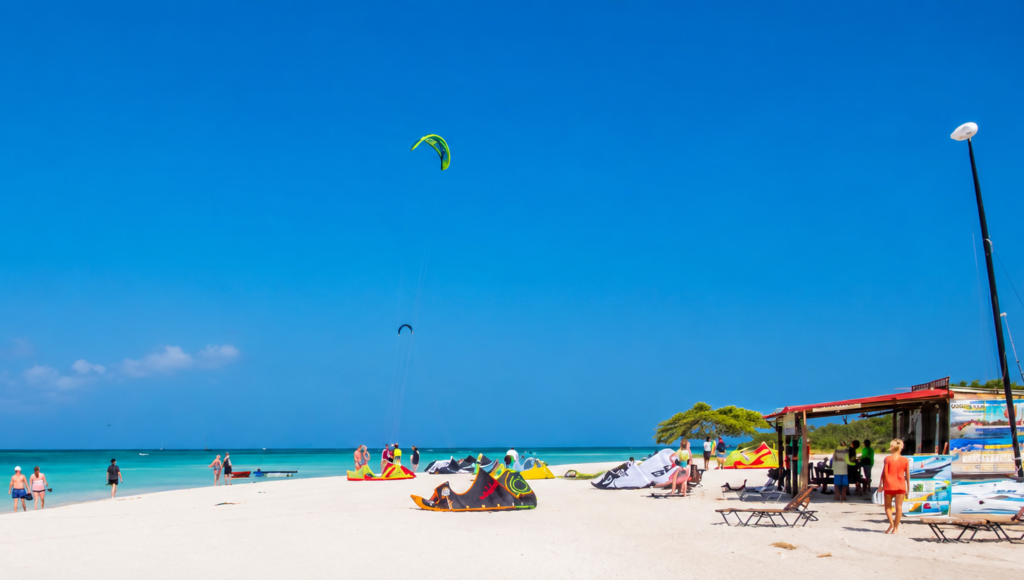
Kitesurfing - Windsurfing - Paddleboarding - Beach walks
Even if you don't practice water sports, visit during the afternoon to watch dozens of colorful kites flying over the water—it's one of Aruba's most unique beach scenes.
Palm Beach is Aruba's most vibrant and popular beach, stretching for nearly two miles along the island's northwest coast. Known for its calm turquoise waters, luxury resorts, beach bars, water sports, and lively atmosphere, it is the perfect destination for visitors looking for both relaxation and entertainment.
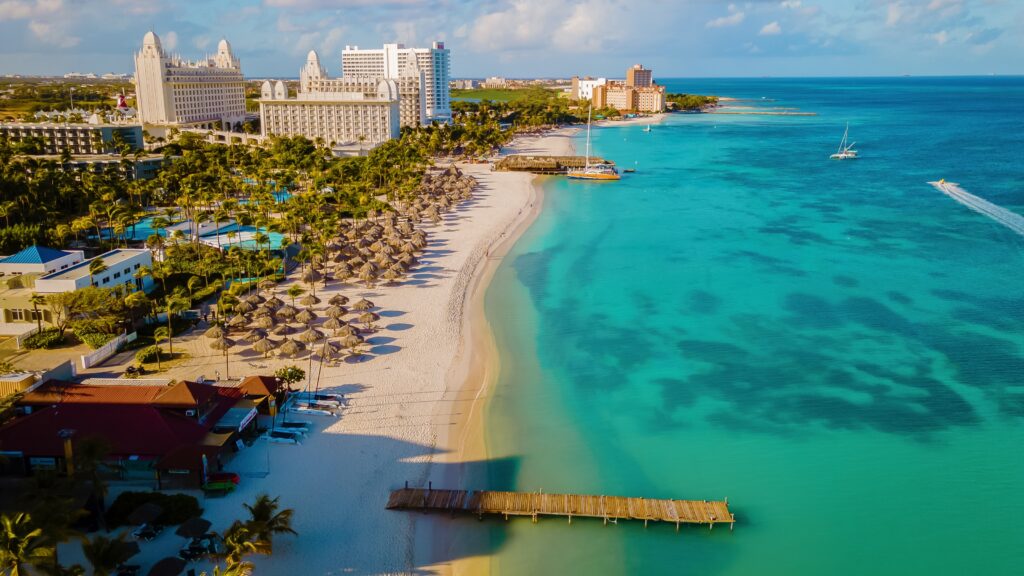
Palm Beach is the best place in Aruba for nightlife, beachfront dining, and water activities. Visit in the late afternoon and stay for sunset.
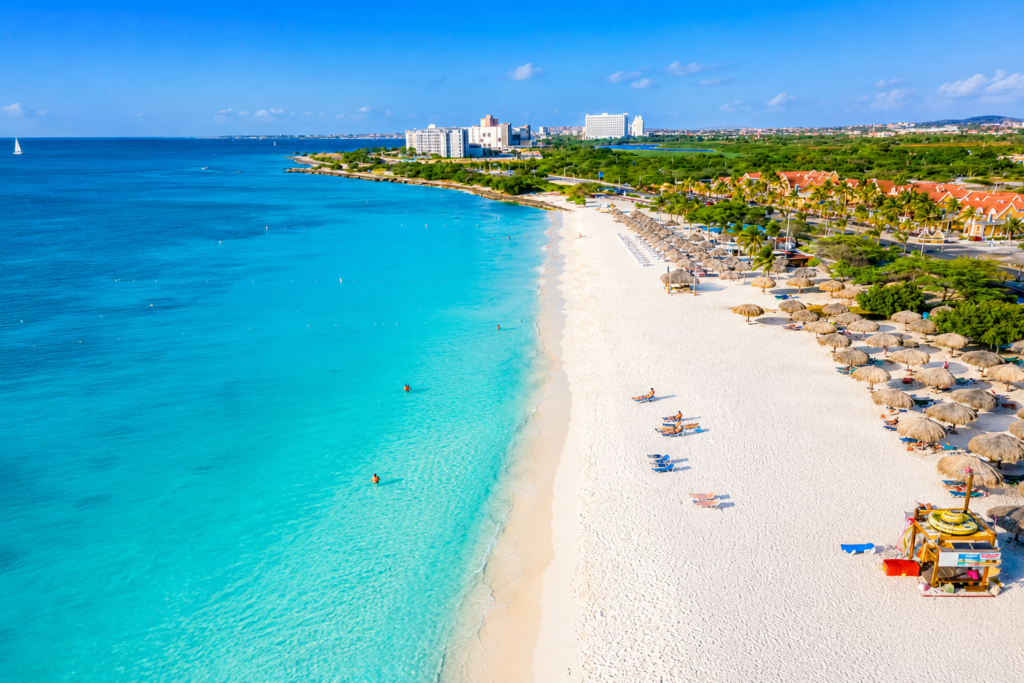
Eagle Beach is one of Aruba's most iconic beaches, famous for its wide stretch of soft white sand, crystal-clear turquoise waters, and peaceful atmosphere. Consistently ranked among the world's best beaches, it's the perfect destination for swimming, sunbathing, romantic walks, and unforgettable Caribbean sunsets.

Arrive before 10:00 AM to find the best parking spots and enjoy a quieter beach experience.
Druif Beach is a beautiful stretch of white sand located along Aruba's western coast, just south of Eagle Beach. Known for its calm turquoise waters, wide shoreline, and peaceful atmosphere, it is an excellent destination for swimming, relaxing, and enjoying Aruba's famous sunsets away from the larger crowds.
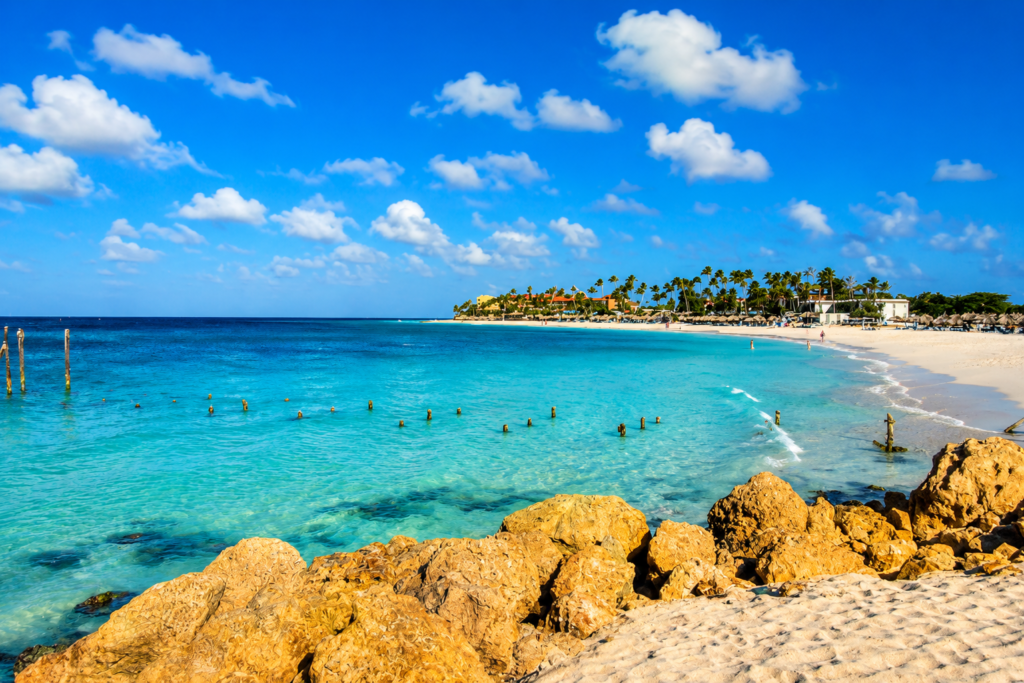
If Eagle Beach feels too busy, head south to Druif Beach for a quieter and equally beautiful beach experience.
Surfside Beach is a charming and family-friendly beach located just minutes from downtown Oranjestad. Known for its calm waters, soft sand, and relaxed atmosphere, it is a favorite spot for locals and visitors looking for a convenient beach experience close to the city. Its scenic boardwalk and nearby restaurants make it a perfect place to spend a relaxing day by the sea.
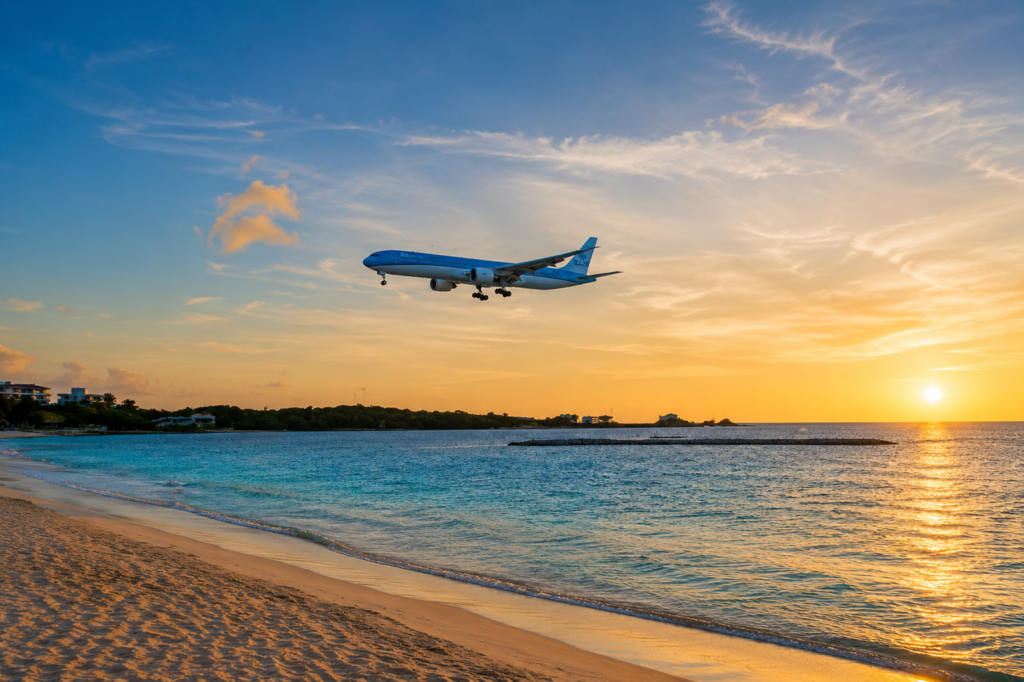
Visit in the late afternoon for beautiful ocean views and the chance to watch airplanes arriving over Aruba's coastline.
Mangel Halto is one of Aruba's most unique and beautiful coastal areas, famous for its mangrove-lined shoreline, crystal-clear waters, and exceptional snorkeling. Hidden away from the busy resort districts, this peaceful beach offers a more natural and authentic side of Aruba, making it a favorite among locals and adventurous travelers.
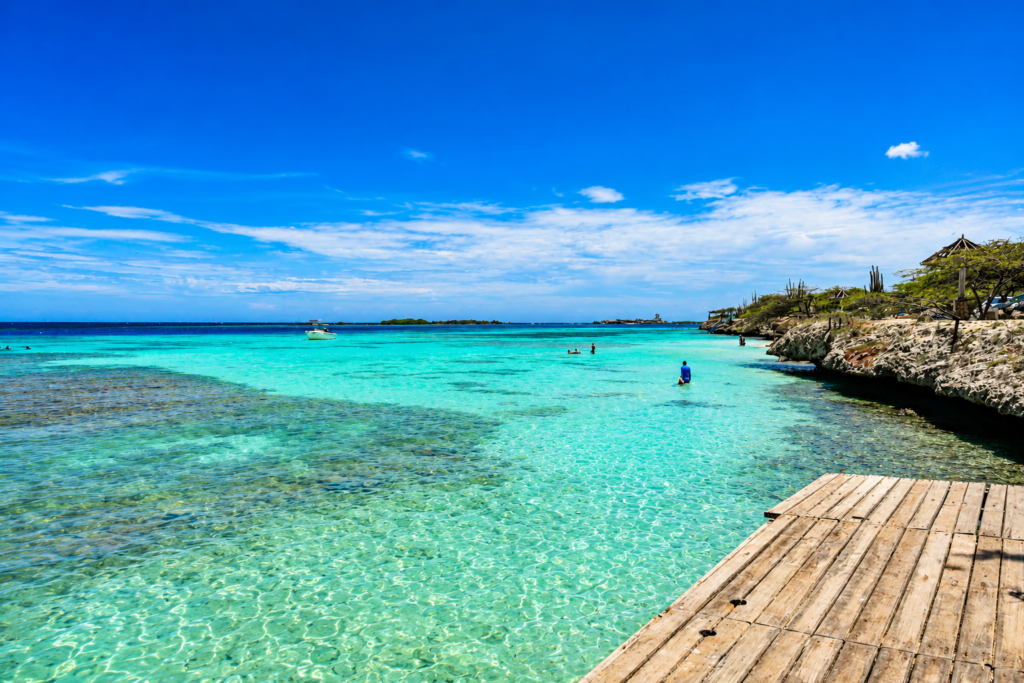
Bring water shoes if you plan to explore beyond the sandy areas, and don't forget your snorkeling gear—some of Aruba's best underwater scenery can be found here.
Rodgers Beach is a peaceful stretch of white sand located near Baby Beach on Aruba's southeastern coast. Known for its calm waters, wide shoreline, and relaxed atmosphere, it is the perfect destination for visitors seeking tranquility away from the island's busier beaches. Its beautiful views and uncrowded setting make it a hidden gem worth discovering.
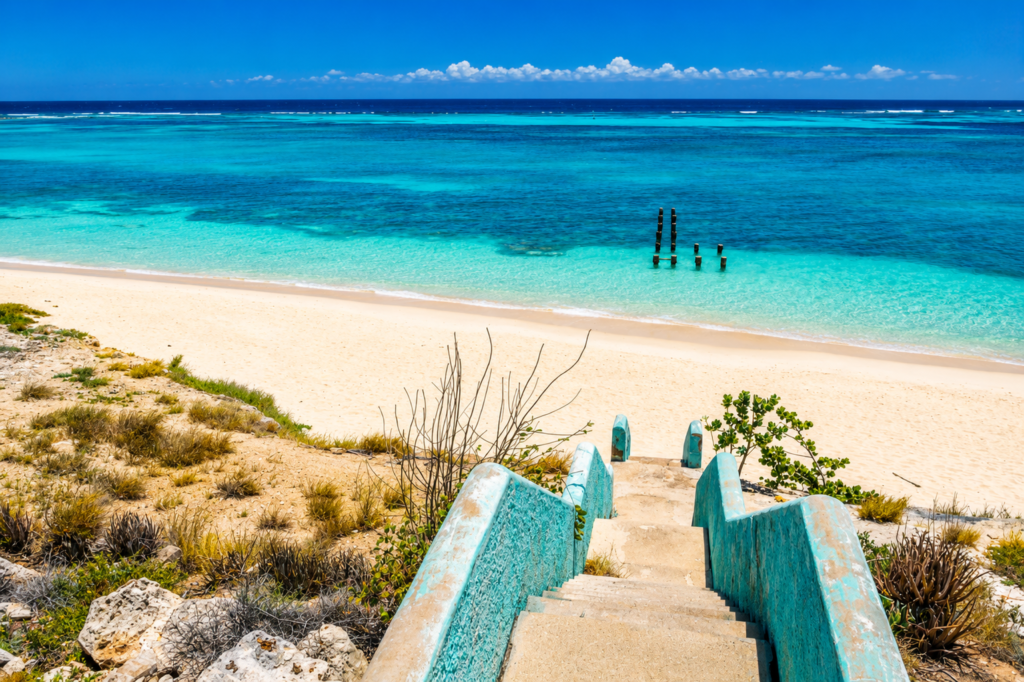
Visit Rodgers Beach after exploring Baby Beach to enjoy a quieter atmosphere and some of the most peaceful ocean views on the island.
Located on Aruba's southeastern coast, Baby Beach is famous for its shallow, crystal-clear waters and crescent-shaped shoreline. Its calm lagoon-like conditions make it one of the safest and most family-friendly beaches on the island, ideal for swimming, snorkeling, and relaxing under the Caribbean sun.
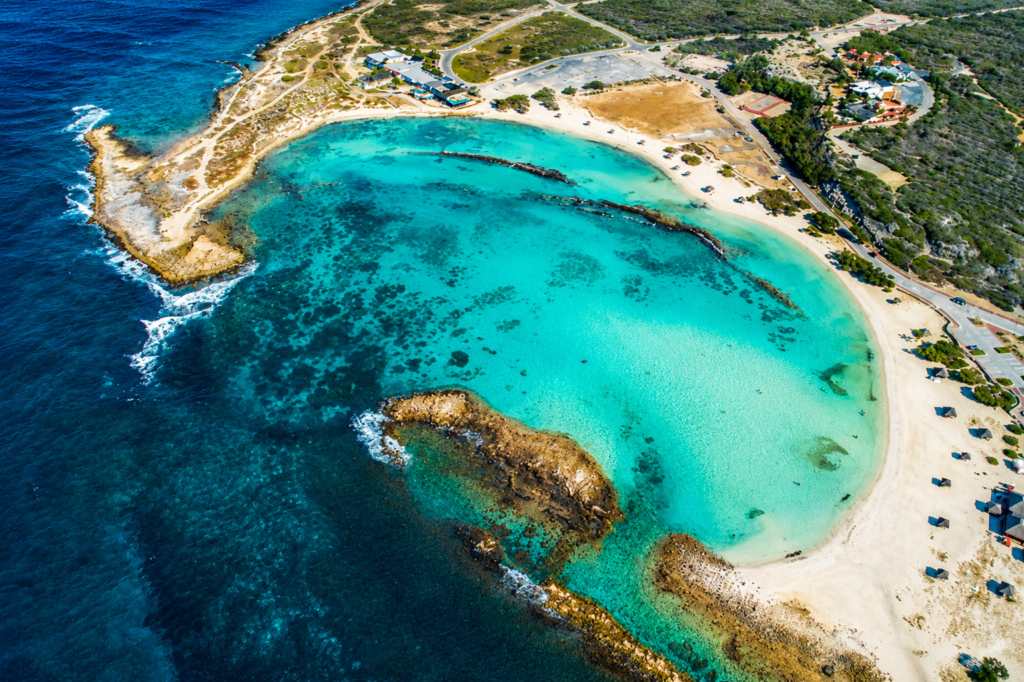
Bring your snorkeling gear and explore the outer areas of the lagoon where colorful tropical fish can often be seen.
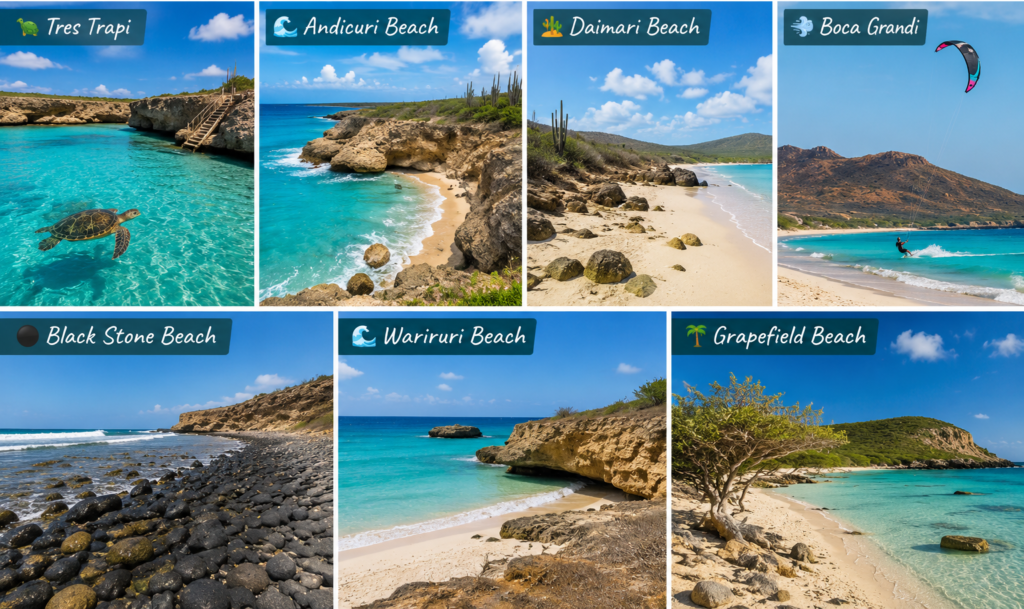
Tres Trapi One of the best snorkeling spots in Aruba, famous for its crystal-clear waters and frequent sea turtle sightings.
Andicuri Beach A secluded beach surrounded by dramatic rock formations on Aruba's rugged east coast.
Daimari Beach A remote and untouched beach near Arikok National Park, perfect for adventurous travelers seeking natural beauty.
Boca Grandi Known for its strong trade winds, Boca Grandi is a favorite destination for kitesurfers and nature lovers.
Black Stone Beach A unique coastal area famous for its dark volcanic stones and striking natural scenery.
Wariruri Beach A hidden beach on Aruba's northern coast offering spectacular ocean views and a peaceful atmosphere.
Grapefield Beach One of Aruba's lesser-known beaches, offering tranquility, natural beauty, and a true off-the-beaten-path experience.
Arikok National Park covers nearly 20% of Aruba and showcases the island's wild and untouched beauty. Visitors can explore dramatic coastlines, desert landscapes, caves, native wildlife, and historic sites while discovering a completely different side of Aruba beyond its famous beaches.
Bring plenty of water, sunscreen, and comfortable shoes. The park is vast, and some of Aruba's most spectacular natural attractions are located inside its boundaries.
Most areas of the park can be visited with a regular vehicle, but some attractions such as the Natural Pool require a 4x4 vehicle.
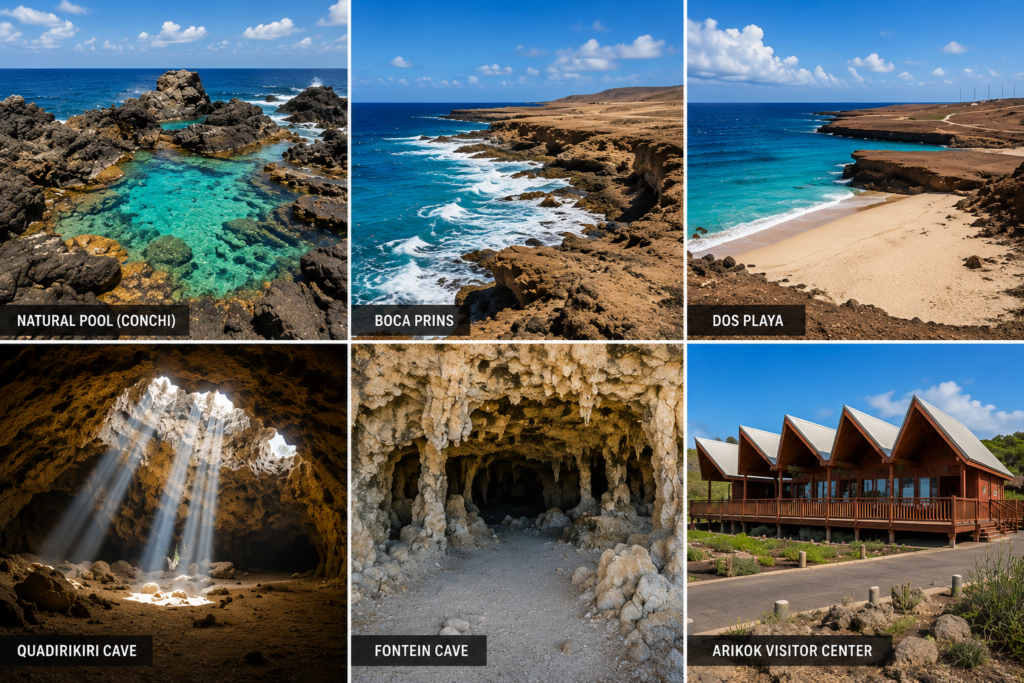
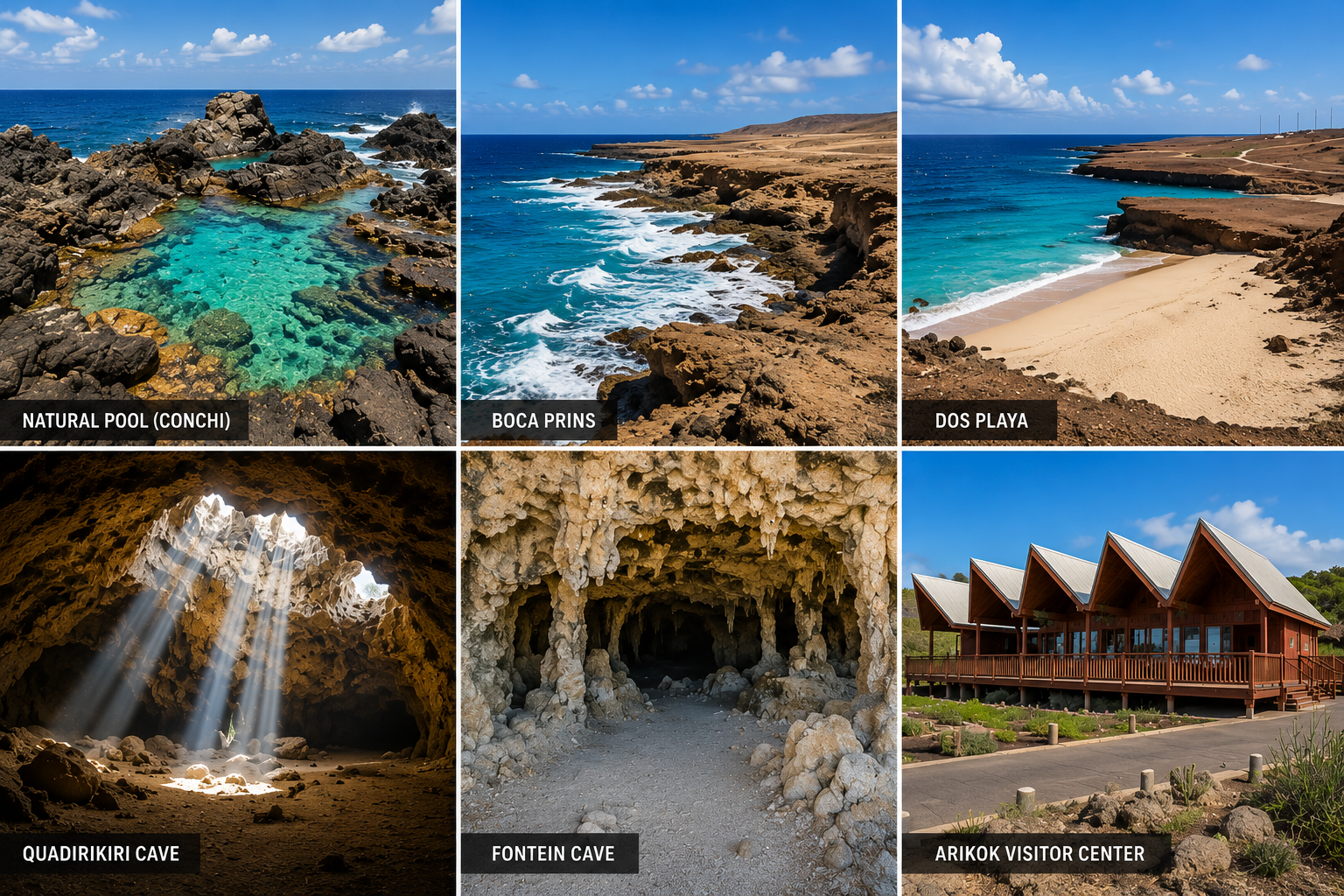
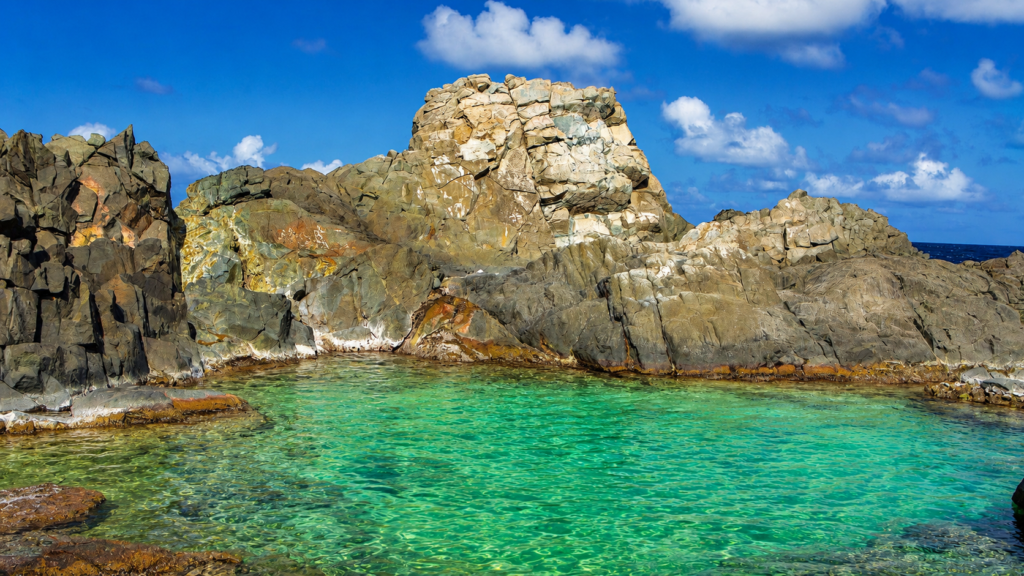
Hidden along Aruba's rugged northeastern coast, the Natural Pool (Conchi) is one of the island's most unique natural attractions. Surrounded by volcanic rock formations and protected from the crashing waves of the Caribbean Sea, this natural swimming pool offers visitors an unforgettable adventure in the heart of Arikok National Park.

The journey to the Natural Pool is part of the adventure. A 4x4 vehicle is highly recommended, as the road can be rough and challenging for regular cars.
Boca Prins is a breathtaking coastal area located within Arikok National Park. Known for its towering sand dunes, rugged cliffs, and powerful waves, it offers some of the most dramatic scenery in Aruba. This unique destination showcases the island's wild side and is a favorite stop for photographers and nature lovers.

Climb the nearby sand dunes for incredible views of Aruba's rugged coastline and the Caribbean Sea. Early morning and late afternoon offer the best lighting for photos.
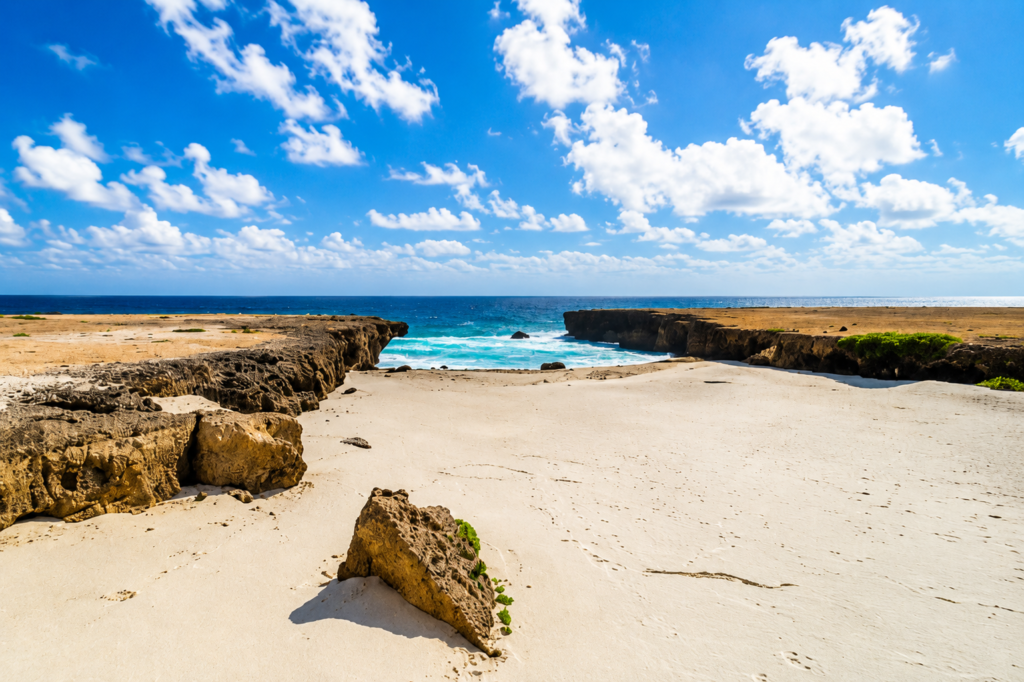
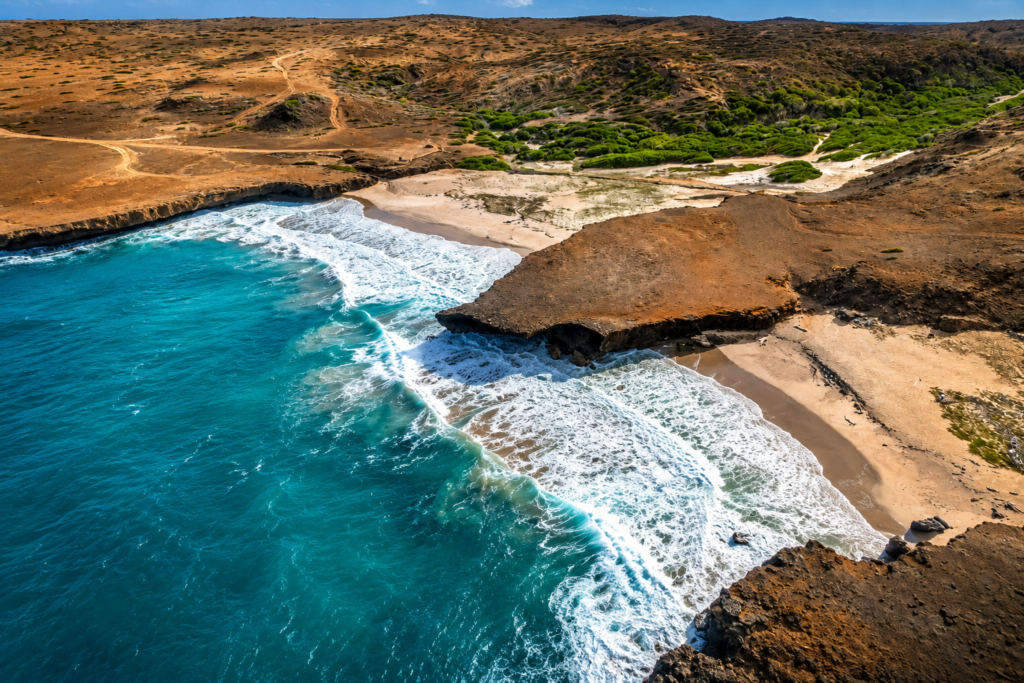
Dos Playa, meaning "Two Beaches," is one of Aruba's most spectacular coastal destinations located within Arikok National Park. Surrounded by dramatic cliffs and shaped by the powerful waves of the Caribbean Sea, this remote beach offers breathtaking scenery and a true sense of adventure.

Visit early in the morning to enjoy cooler temperatures and stunning views of the waves crashing against the cliffs. Always stay a safe distance from the water due to strong currents.
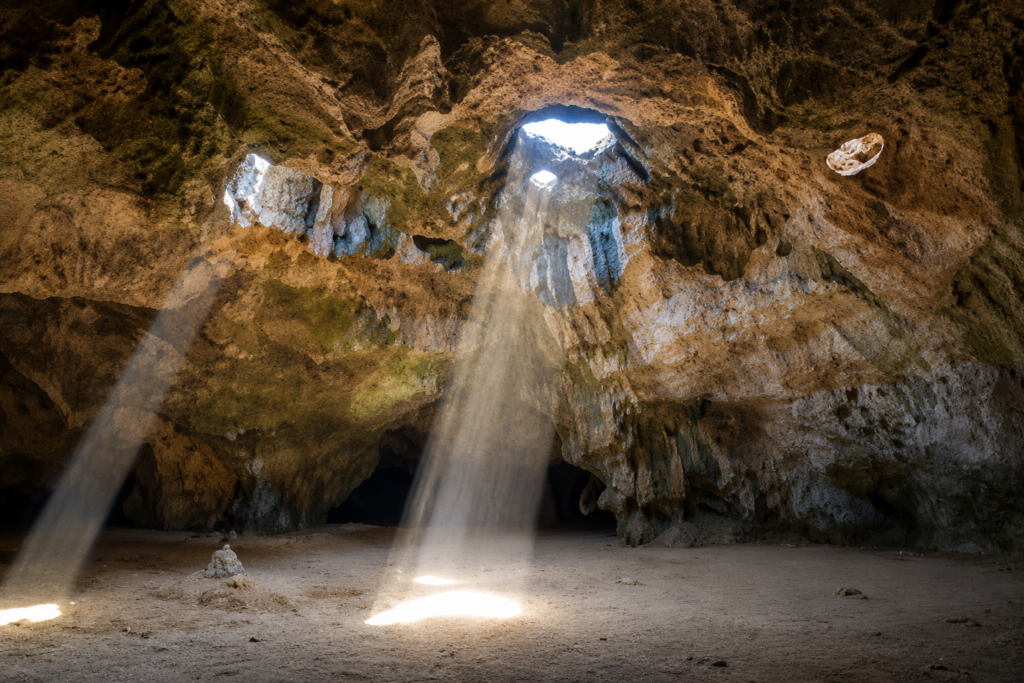
Quadirikiri Cave is one of Aruba's most famous natural attractions, located within Arikok National Park. The cave is best known for the spectacular beams of sunlight that shine through openings in the ceiling, creating a magical atmosphere and unforgettable photo opportunities.

Visit around midday when sunlight enters the cave through the ceiling openings, creating the famous light beams that make Quadirikiri one of Aruba's most photographed locations.
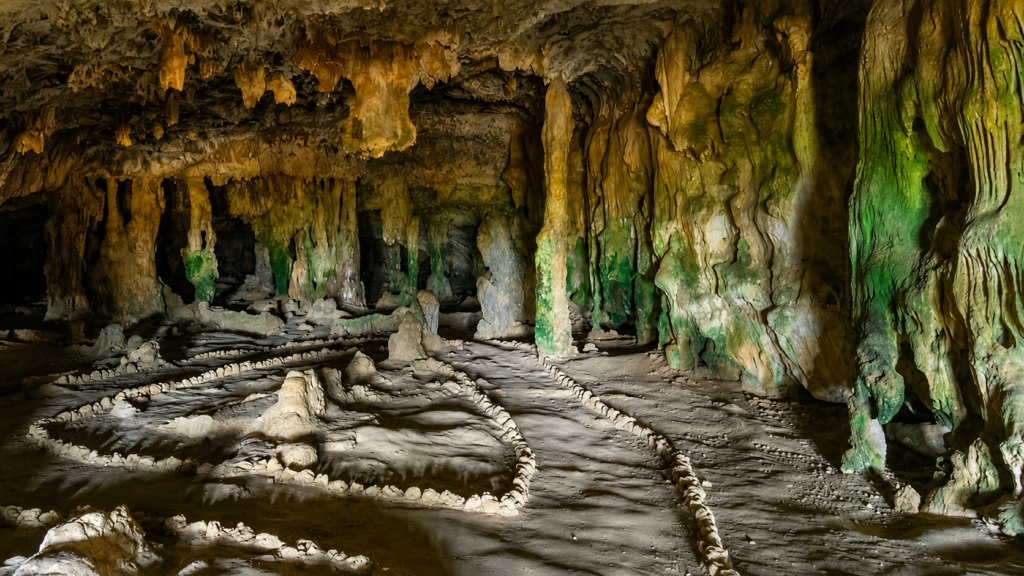
Fontein Cave is one of Aruba's most fascinating historical and natural sites. Located within Arikok National Park, the cave features impressive limestone formations and ancient Arawak petroglyphs that offer a glimpse into the island's indigenous past.

Take your time to observe the ancient petroglyphs left by Aruba's early inhabitants. Combining history and nature, Fontein Cave offers a unique experience unlike any other attraction on the island.
Located on Aruba's southeastern coast, Vader Piet Wind Farm features towering wind turbines and stunning coastal views. It is one of the island's most unique landmarks and an important source of renewable energy.

Experience Aruba's impressive wind farm and enjoy breathtaking views of the island's rugged southeastern coastline.
The Aruba Sand Dunes are a unique natural landscape located along the island's northeastern coast. Shaped by constant trade winds, these rolling dunes create a striking contrast between the desert terrain and the turquoise Caribbean Sea. It's a peaceful spot for photography, sightseeing, and experiencing Aruba's wild side.
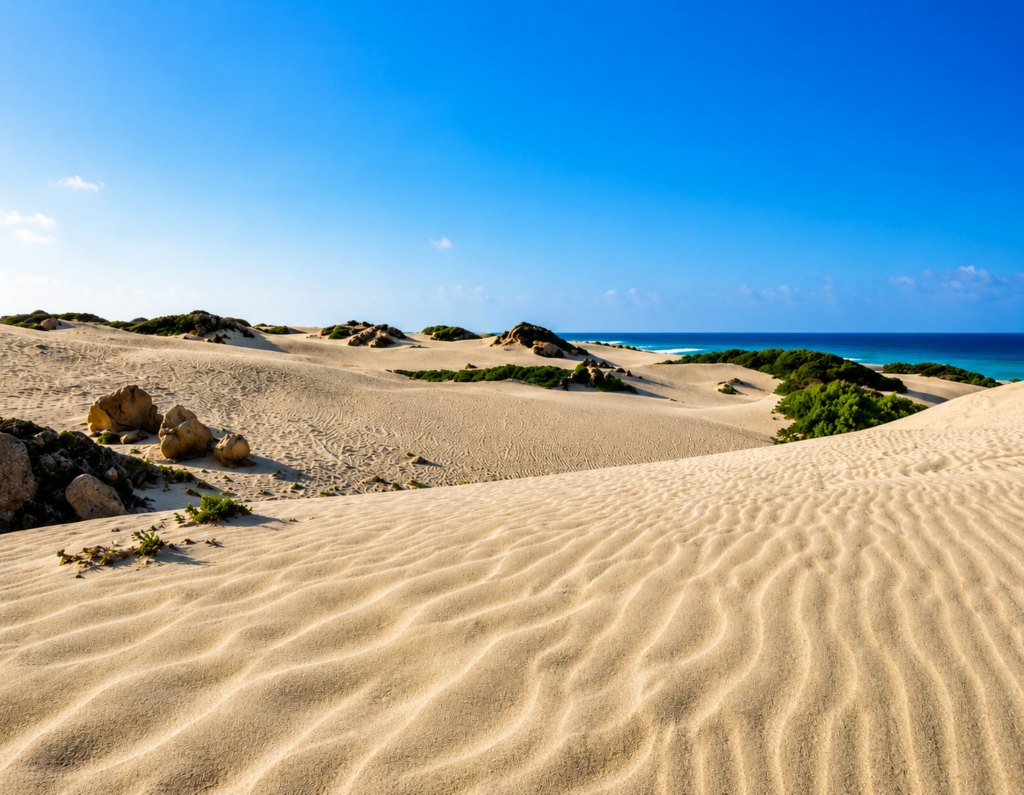
Visit during the early morning or late afternoon when the light highlights the textures of the dunes and creates stunning photo opportunities.
Standing on Aruba's northwestern tip, California Lighthouse is one of the island's most recognizable landmarks. Visitors enjoy panoramic views of Aruba's coastline, sand dunes, and turquoise waters, making it a must-see destination for sightseeing and photography.
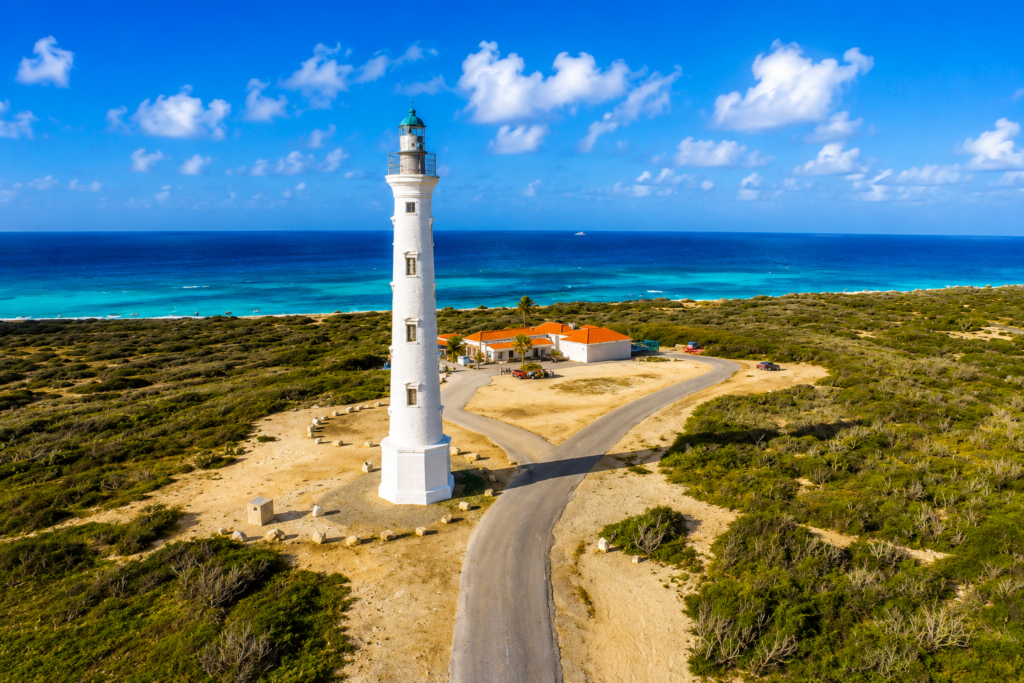
Visit shortly before sunset for some of the most spectacular views on the island. The combination of the lighthouse, coastline, and golden light creates unforgettable photo opportunities.
The Natural Bridge Ruins are one of Aruba's most famous coastal landmarks. Although the original limestone bridge collapsed in 2005, visitors can still admire the remaining formations and experience the dramatic beauty of Aruba's rugged northern coastline
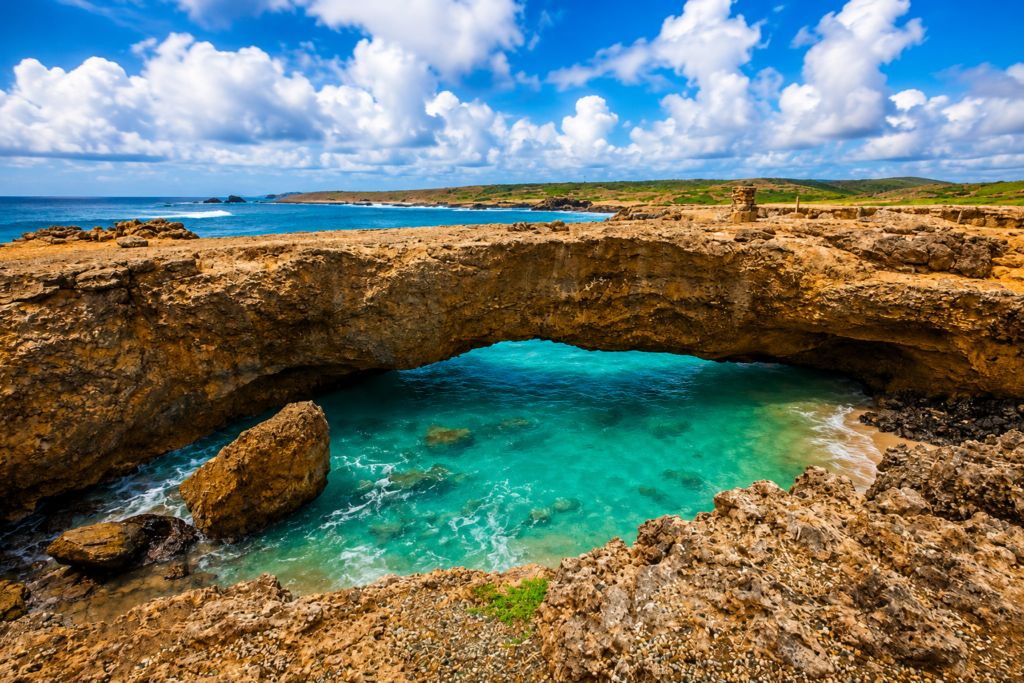
Combine your visit with nearby attractions such as Bushiribana Gold Mill Ruins and the northern coastline for a memorable sightseeing route.
The Bushiribana Gold Mill Ruins are a fascinating reminder of Aruba's gold rush era in the 19th century. Perched along the island's rugged northern coastline, these historic stone ruins offer stunning ocean views and a glimpse into Aruba's mining past.
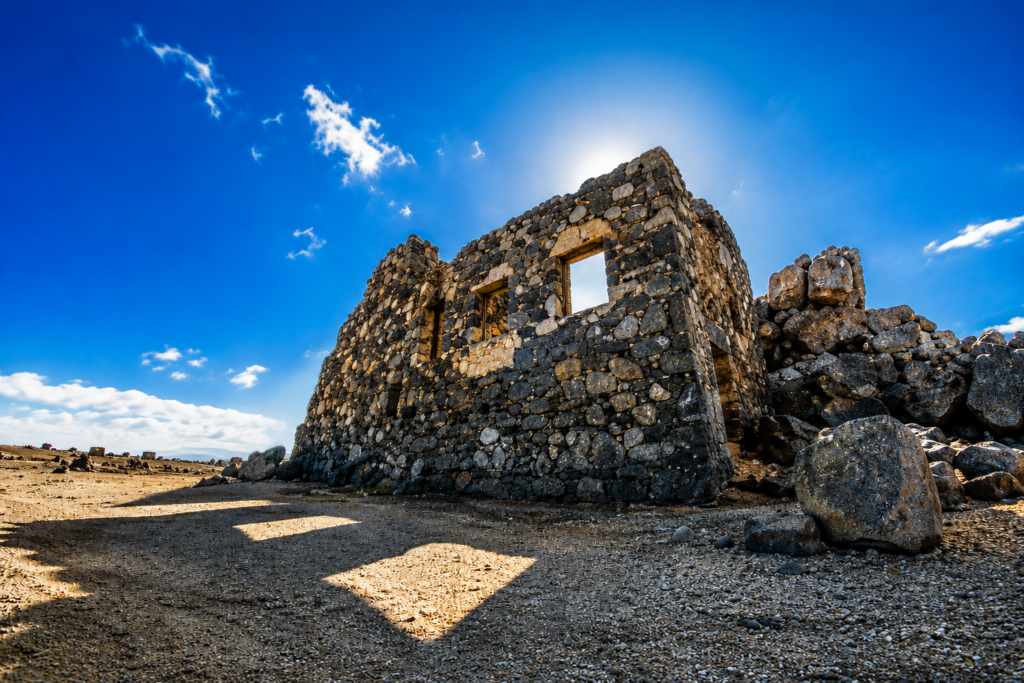
Combine your visit with the nearby Natural Bridge area and enjoy a scenic drive along Aruba's rugged northern coast for some of the island's most dramatic landscapes.
Ayo Rock Formations are one of Aruba's most remarkable natural landmarks. These massive granite boulders, some stacked in unusual formations, have stood for millions of years and were once considered a sacred place by the island's indigenous inhabitants.
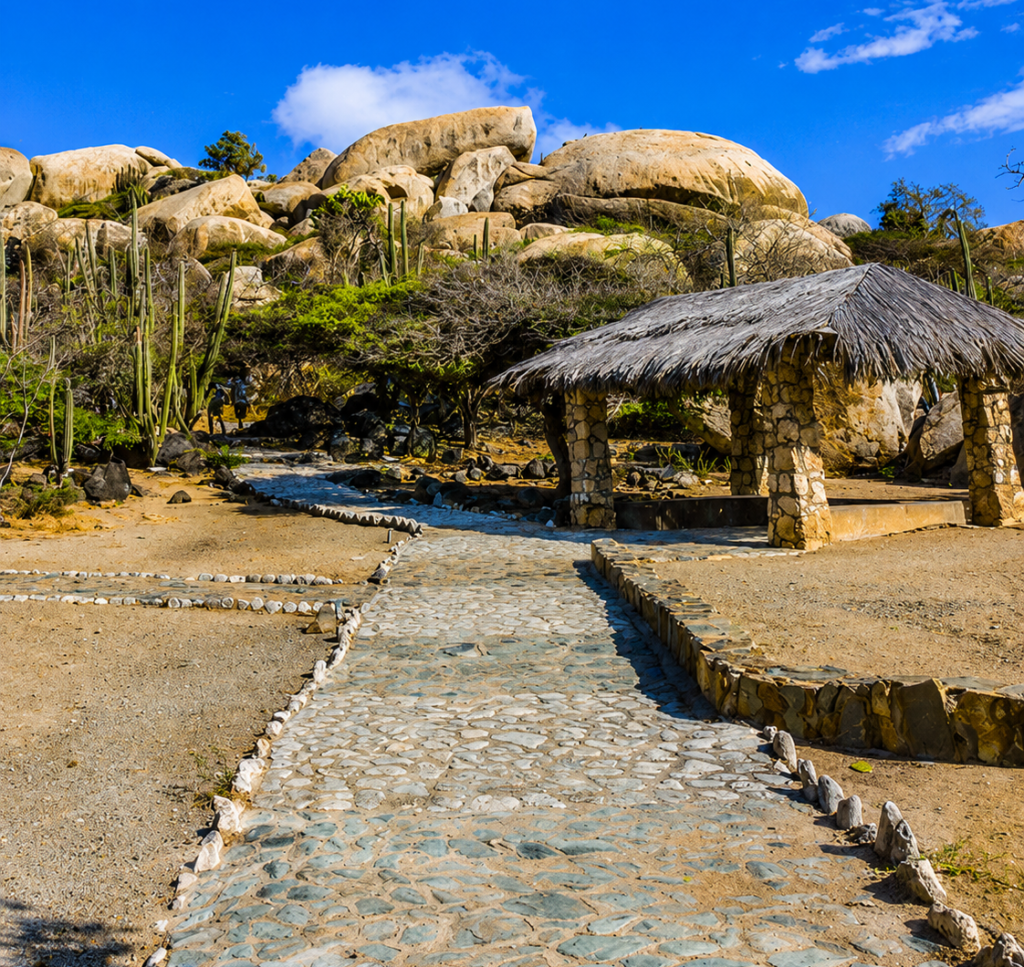
Climb to the higher viewpoints for beautiful panoramic views of Aruba's countryside and unique desert landscape.
Casibari Rock Formations are one of Aruba's most unique natural attractions. These massive granite boulders rise unexpectedly from the desert landscape, creating panoramic viewpoints and fascinating rock formations that have become a favorite stop for visitors exploring the island.
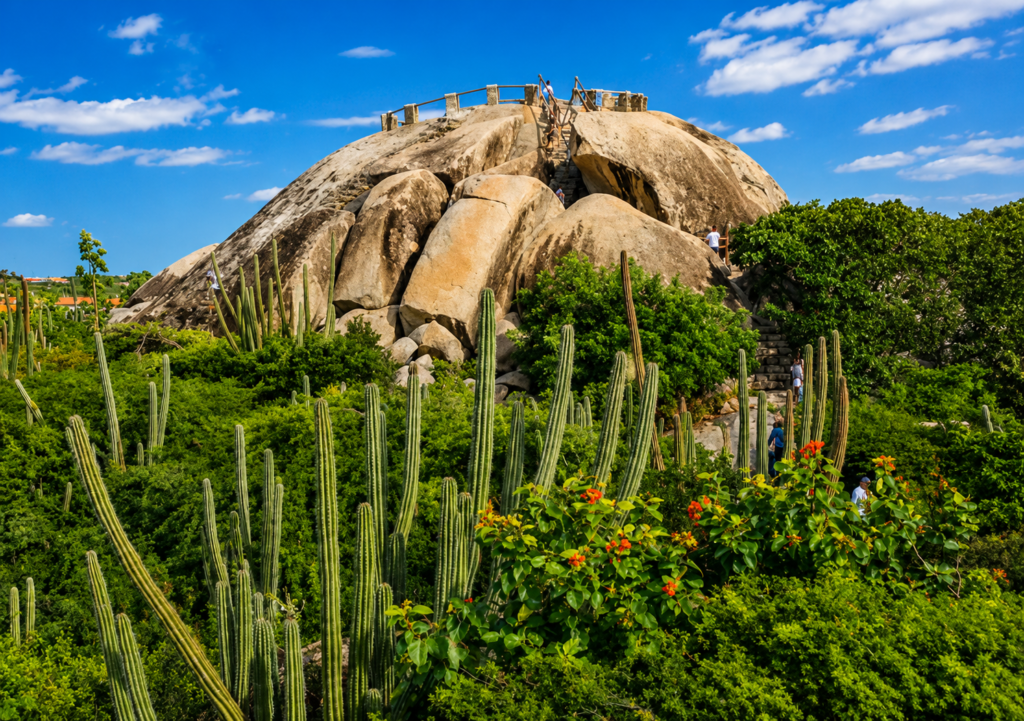
Climb to the highest viewpoint for breathtaking 360-degree views of Aruba. Sunset is one of the best times to visit, when the rocks glow with warm golden colors.
Hooiberg is one of Aruba's most recognizable landmarks and the island's second-highest point. Rising approximately 165 meters (541 feet) above sea level, this volcanic formation offers breathtaking panoramic views across Aruba. Visitors who climb the famous staircase to the summit are rewarded with spectacular scenery stretching from coast to coast.
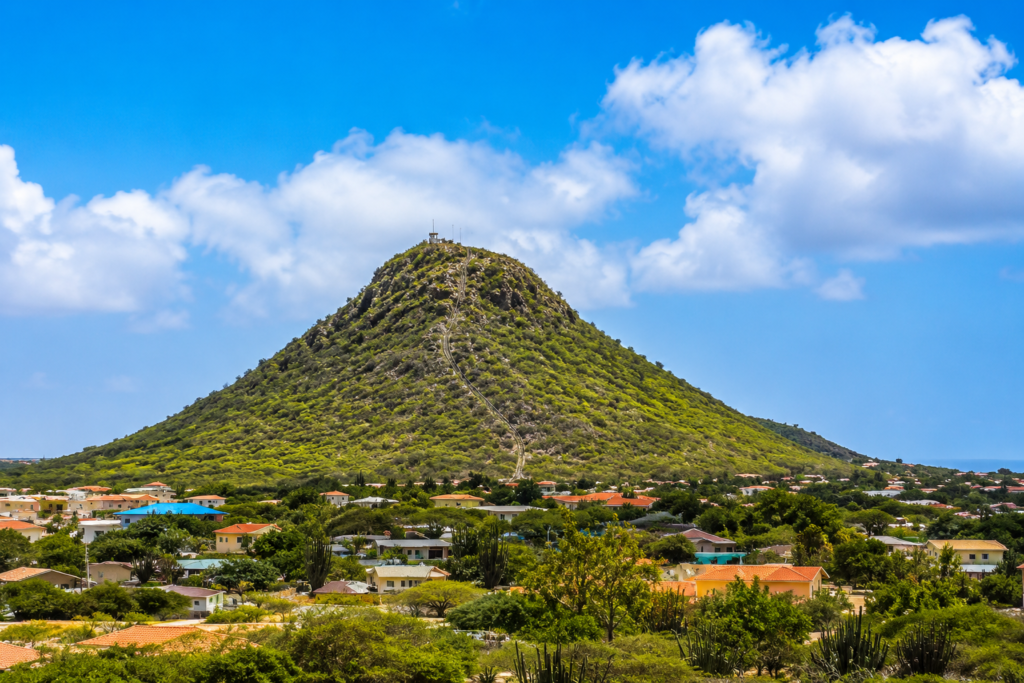
Visit early in the morning when temperatures are cooler. Bring water and take your time climbing the stairs to enjoy the incredible views from the top.
The Balashi Gold Mill Ruins are among Aruba's most important historical landmarks, preserving the legacy of the island's gold mining era during the 19th century. Once part of a major gold processing operation, these ruins offer visitors a fascinating glimpse into Aruba's industrial past and the period when gold discoveries attracted prospectors from around the world.
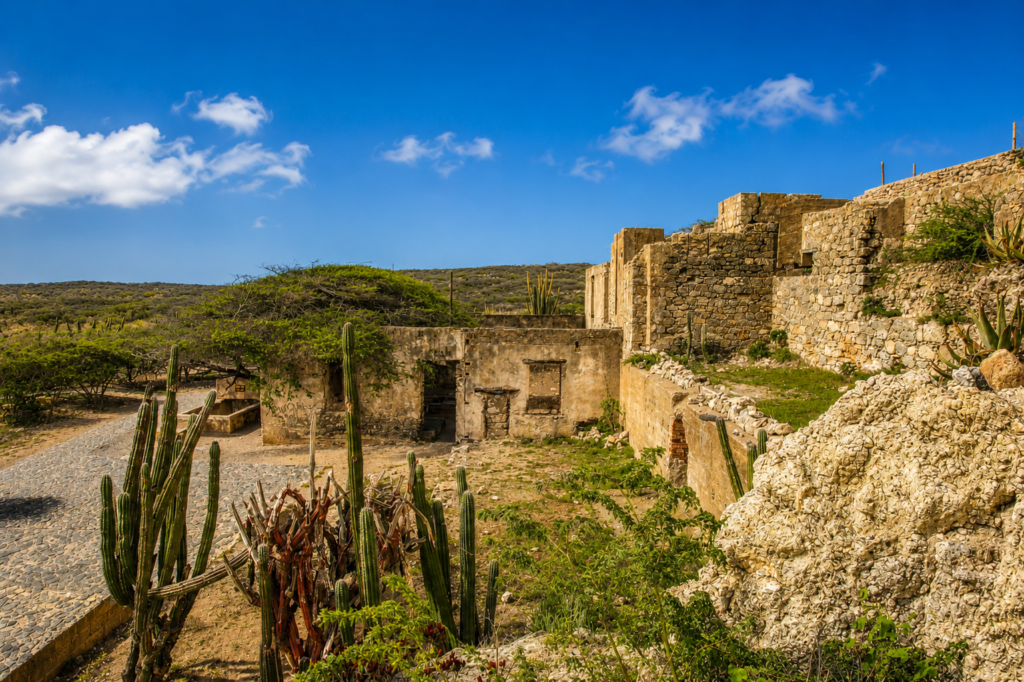
Visit Balashi together with Bushiribana Gold Mill Ruins to gain a deeper understanding of Aruba's fascinating gold rush history.
The Anchor is one of Aruba's most recognizable landmarks, located in Seroe Colorado near the island's southeastern coast. This massive red anchor serves as a reminder of Aruba's maritime heritage and has become a popular stop for visitors exploring the southern part of the island. The site also offers beautiful coastal views and excellent photo opportunities.

Combine your visit with nearby attractions such as Baby Beach and Seroe Colorado for a memorable day exploring Aruba's scenic southern coastline.
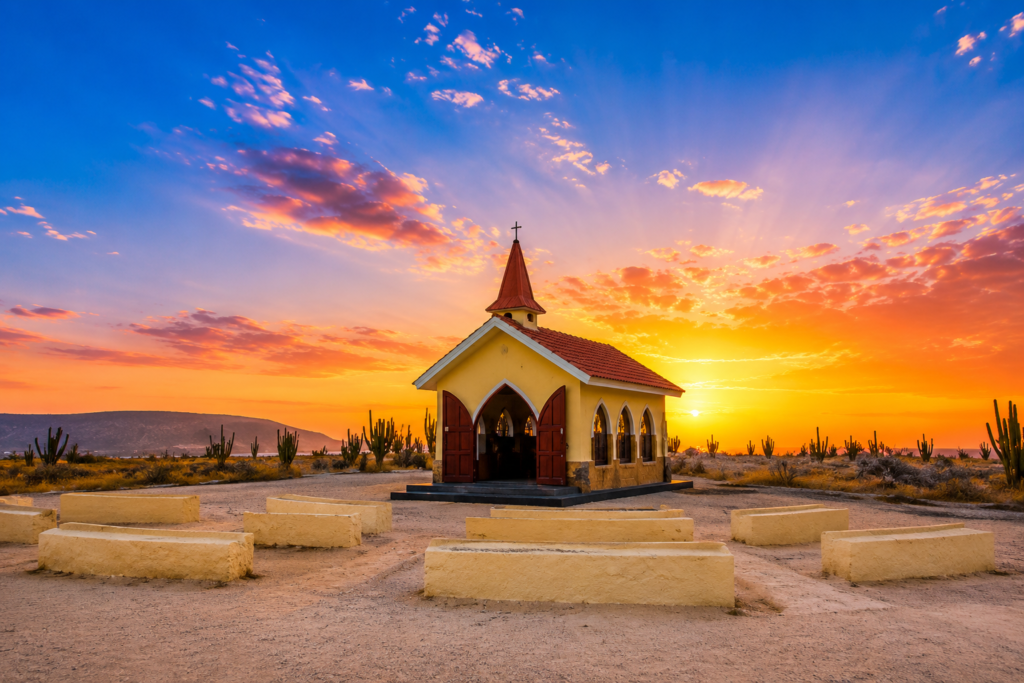
Perched on a peaceful hilltop overlooking Aruba's northern coastline, Alto Vista Chapel is one of the island's most treasured landmarks. Originally established in 1750 as Aruba's first Catholic church, this charming yellow chapel offers visitors a place for reflection, history, and breathtaking views of the surrounding landscape.

Visit early in the morning for a peaceful experience and beautiful lighting for photographs. The surrounding countryside and coastline create some of the most serene views on the island.
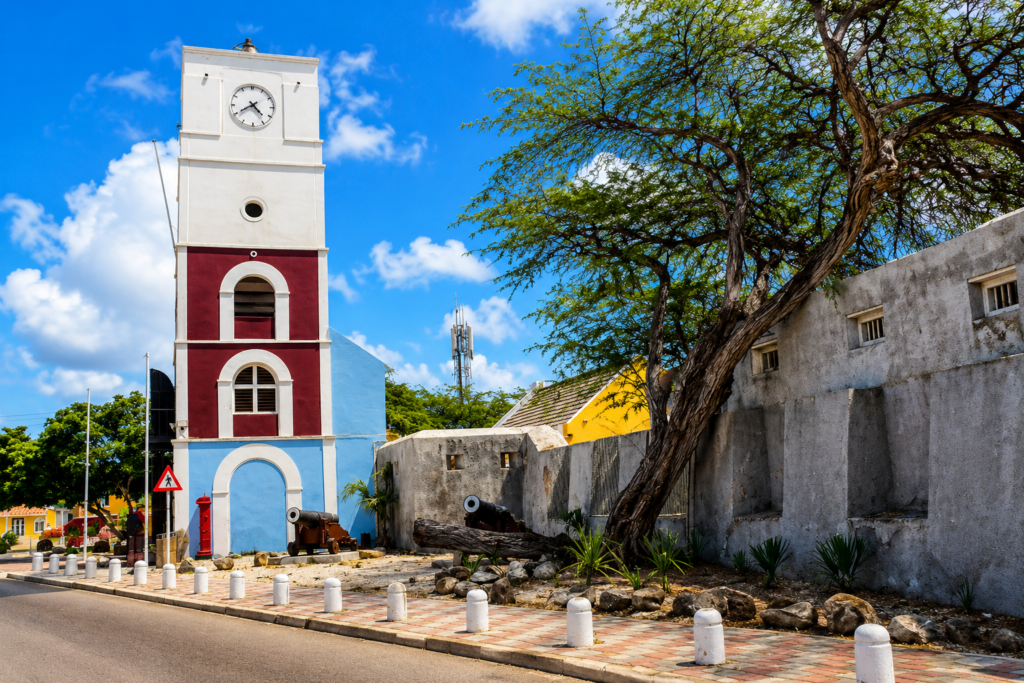
Built in 1798, Fort Zoutman is Aruba's oldest surviving structure and one of the island's most important historical landmarks. Originally constructed to protect Aruba from pirates and foreign attacks, the fort now houses a museum where visitors can learn about the island's rich cultural heritage and colonial past.

Combine your visit with a walk through downtown Oranjestad to discover Aruba's colorful architecture, local shops, and historic landmarks.
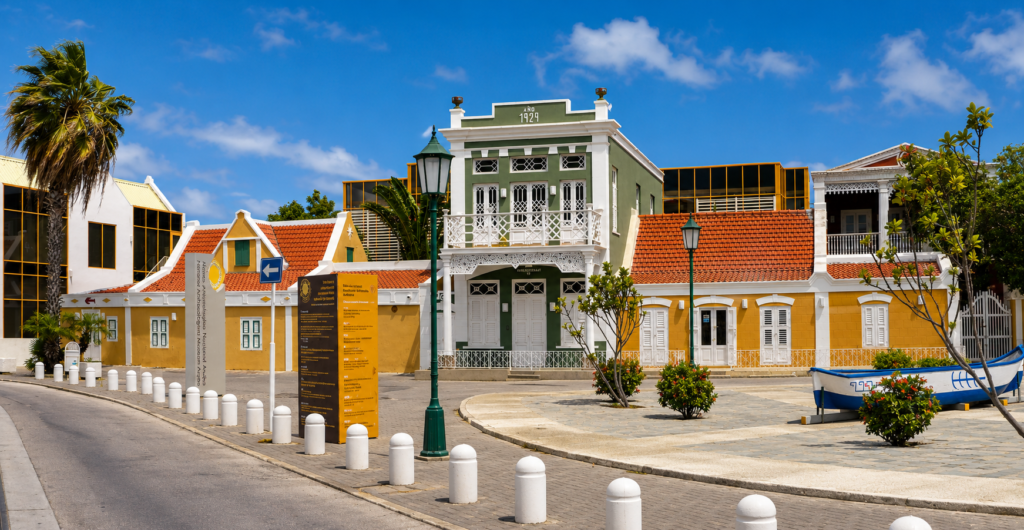
The National Archaeological Museum of Aruba offers a fascinating journey through more than 4,000 years of island history. Through artifacts, exhibits, and interactive displays, visitors can discover the lives of Aruba's earliest inhabitants and gain a deeper understanding of the island's cultural heritage.

This is an excellent stop before exploring the rest of Aruba. Understanding the island's indigenous roots and history will give greater meaning to many of the places you visit afterward.
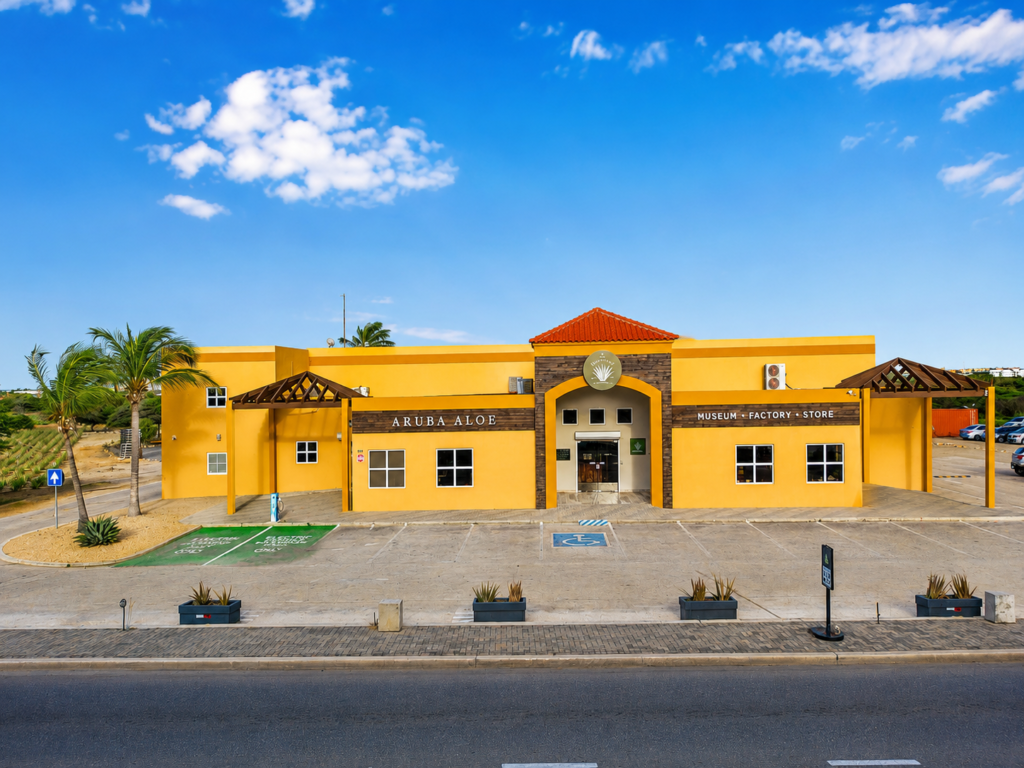
Founded in 1890, Aruba Aloe is one of the island's oldest and most iconic companies. Visitors can learn about the cultivation, harvesting, and production of aloe vera products while discovering how this remarkable plant became an important part of Aruba's history and economy.

Take the factory tour before visiting the store. Understanding how aloe is grown and processed makes the experience much more interesting and helps you appreciate Aruba's aloe heritage.
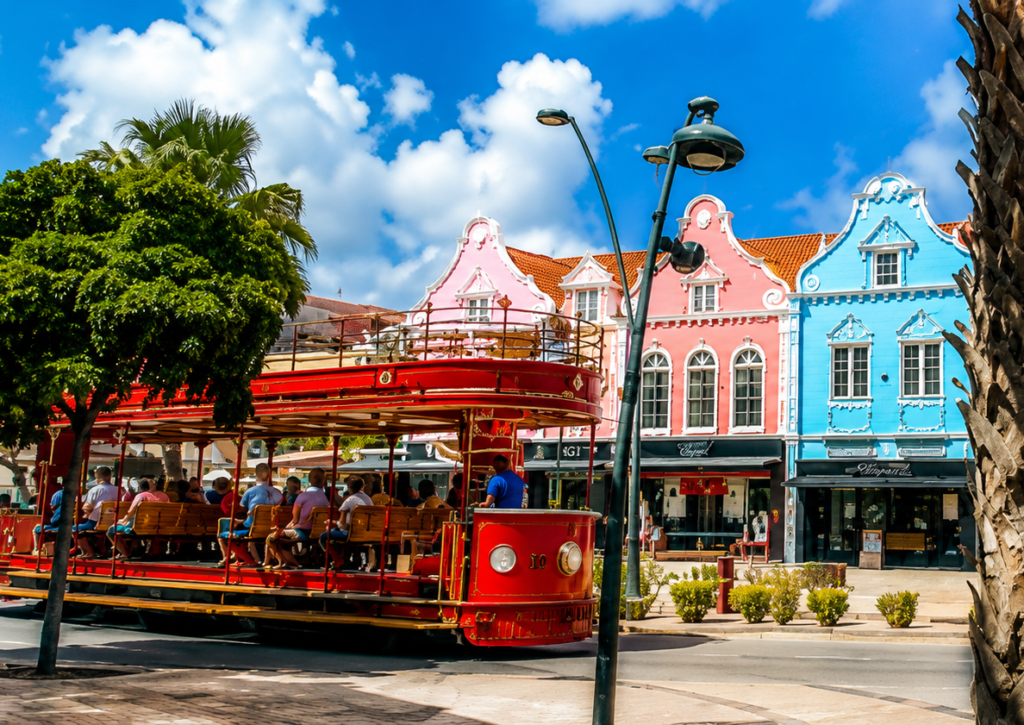
Downtown Oranjestad is the colorful heart of Aruba, known for its Dutch-Caribbean architecture, lively shopping streets, waterfront views, and vibrant atmosphere. Visitors can explore historic buildings, local boutiques, restaurants, and cultural landmarks while experiencing the island's unique blend of European and Caribbean influences.

Take a stroll along Main Street and ride Aruba's free streetcar while admiring the colorful colonial architecture.
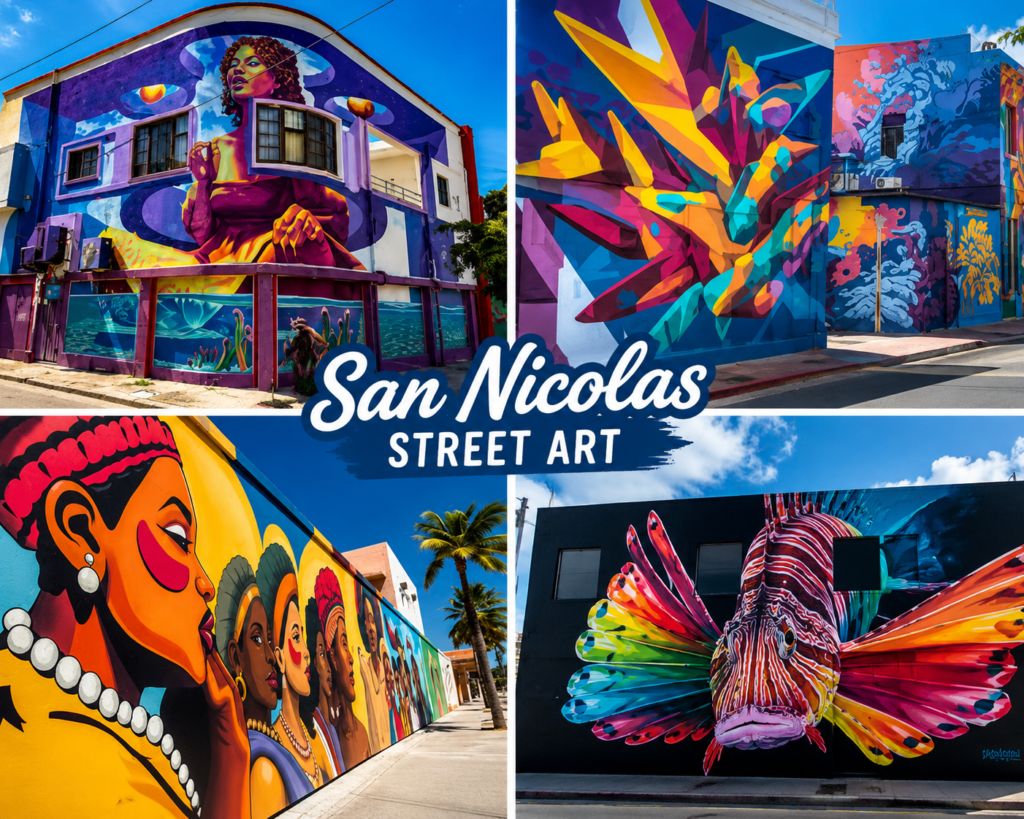
San Nicolas Street Art has transformed Aruba's second-largest city into a vibrant open-air gallery. Colorful murals created by local and international artists celebrate Aruba's culture, history, traditions, and diversity, making every street a unique artistic experience.

Explore beyond the main streets. Some of San Nicolas' most impressive murals are tucked away on side streets and hidden corners.
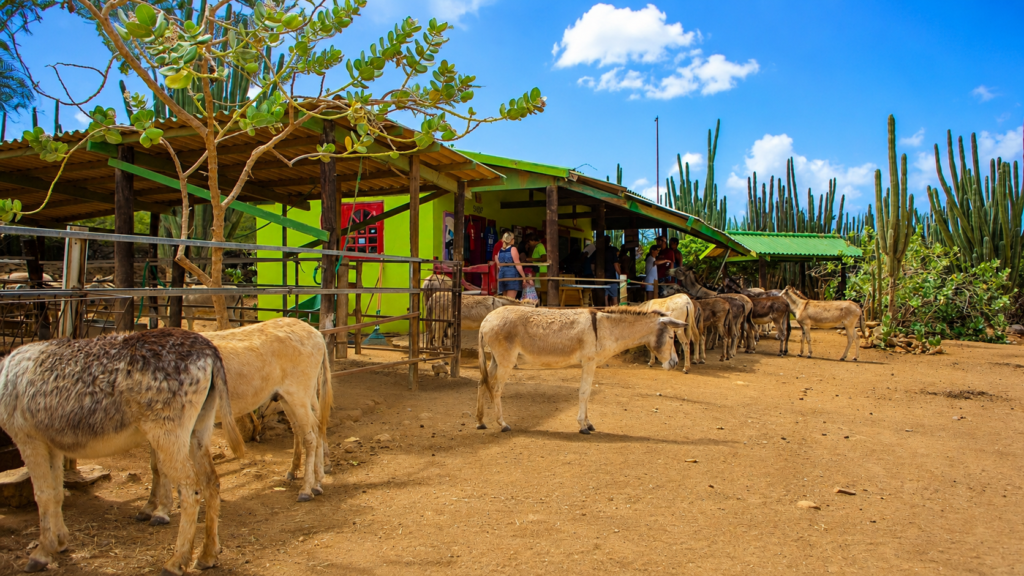
Donkey Sanctuary Aruba is a nonprofit rescue center dedicated to protecting and caring for Aruba's donkeys. Visitors can meet, feed, and interact with these friendly animals while learning about their important role in the island's history and culture

Bring a small donation if you can. The sanctuary relies heavily on visitor support to care for Aruba's beloved donkeys.
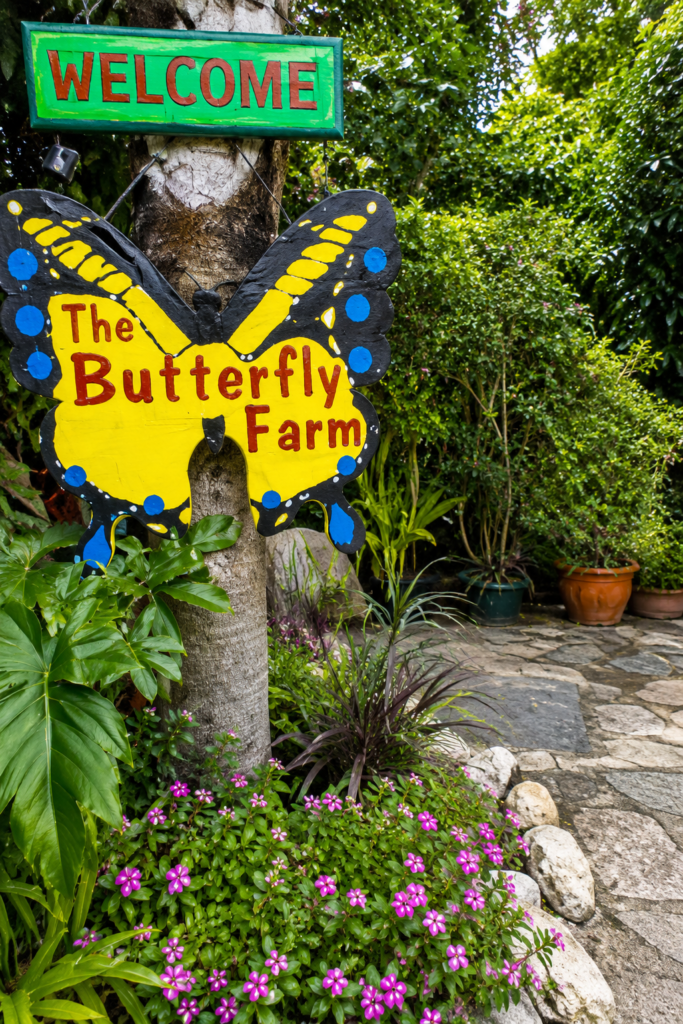
The Butterfly Farm is one of Aruba's most enchanting family attractions. Visitors can walk through a tropical garden filled with colorful butterflies from around the world while learning about their fascinating life cycle, behavior, and habitats. Guided tours provide an educational and memorable experience for guests of all ages.

Visit in the morning when butterflies are often more active. Wear bright colors if you would like a better chance of attracting butterflies during your visit.
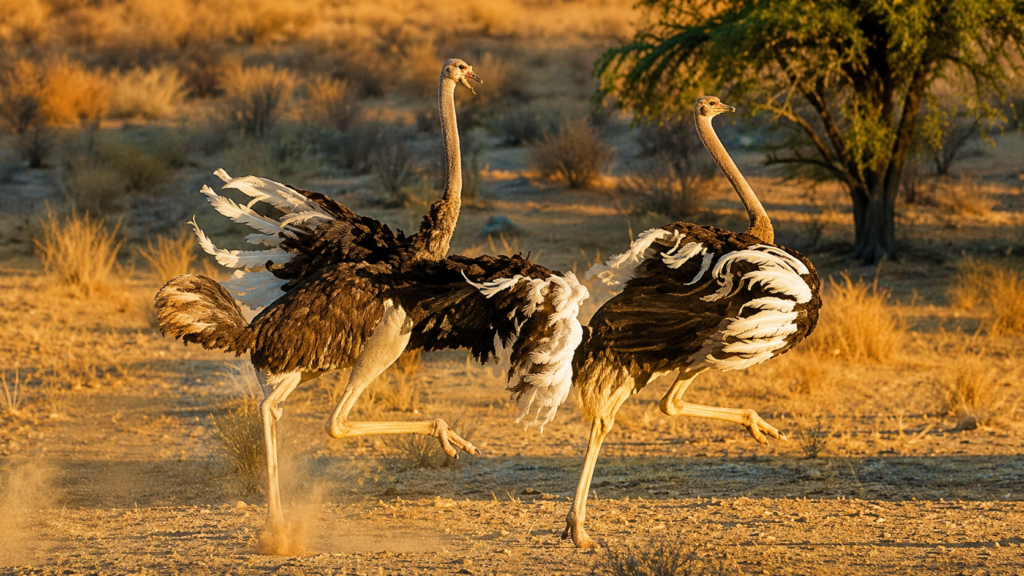
Aruba Ostrich Farm offers visitors a unique opportunity to get up close to the world's largest birds. Guided tours provide fascinating insights into ostriches, emus, and their behaviors, making this attraction both educational and entertaining for visitors of all ages.

Join one of the guided tours to learn interesting facts about ostriches and enjoy a closer look at these remarkable birds in a safe environment.
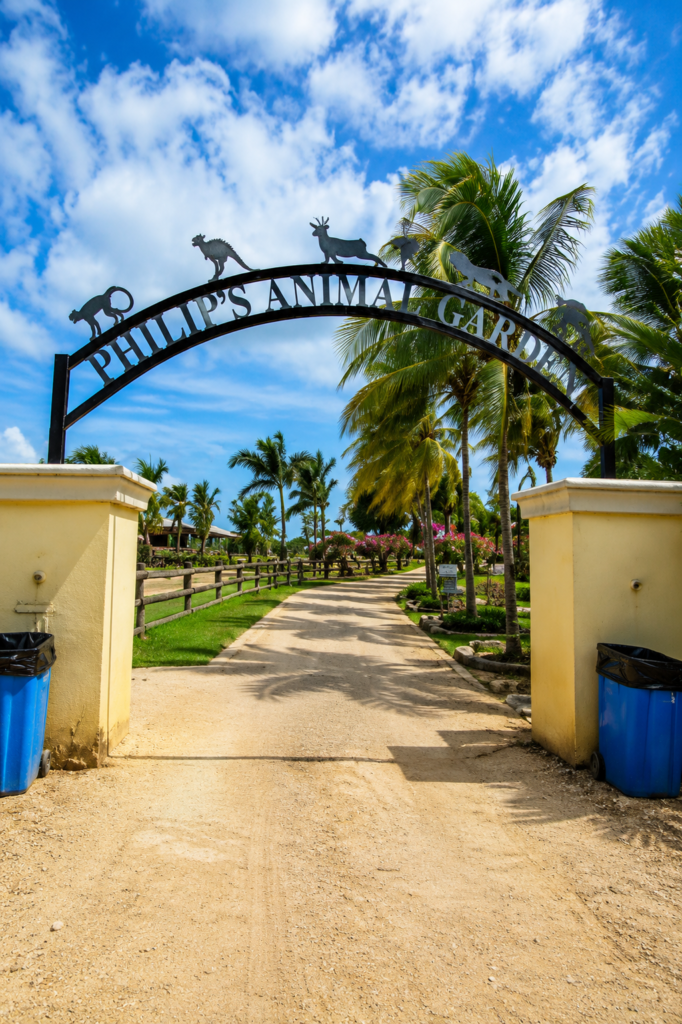
Philip's Animal Garden is Aruba's only nonprofit animal rescue and rehabilitation center open to visitors. The sanctuary provides a safe home for a variety of rescued animals, offering guests the opportunity to learn about wildlife conservation while enjoying close encounters with many different species.

Take your time exploring the sanctuary. Each rescued animal has its own story, making the visit both educational and meaningful.
Visitors help support the care and rehabilitation of rescued animals through their admission fees and donations.
Arashi Beach is one of Aruba's hidden treasures, located near the California Lighthouse on the island's northwestern tip. Known for its crystal-clear waters, soft white sand, and excellent snorkeling conditions, it offers a peaceful escape away from the larger resort areas. Whether you're swimming, snorkeling, or watching the sunset, Arashi Beach delivers an unforgettable Caribbean experience.
Boca Catalina is a small, peaceful beach known for its crystal-clear waters and exceptional snorkeling opportunities. Located between Arashi Beach and Malmok, this hidden gem offers a quiet escape where visitors can explore colorful marine life just a few steps from shore.
Malmok Beach is a peaceful stretch of coastline on Aruba's northwestern shore, known for its crystal-clear waters, excellent snorkeling opportunities, and relaxed atmosphere. Unlike Aruba's larger sandy beaches, Malmok features rocky shorelines and easy access to some of the island's most popular underwater sites, making it a favorite among snorkelers and divers.
The Antilla Shipwreck Viewpoint offers views of one of the Caribbean's most famous shipwrecks. The SS Antilla, a German cargo ship scuttled during World War II, rests just offshore and has become one of Aruba's most popular snorkeling and diving sites. While much of the wreck is underwater, the viewpoint provides visitors with a chance to learn about its history and enjoy the surrounding coastal scenery.
Hadicurari Beach, also known as Fisherman's Huts, is Aruba's premier destination for windsurfing and kitesurfing. Located on the island's northwest coast, this beach offers steady trade winds, shallow waters, and spectacular views of colorful kites dancing across the Caribbean sky. It is a favorite spot for both professional athletes and beginners looking to experience Aruba's adventurous side.
Palm Beach is Aruba's most vibrant and popular beach, stretching for nearly two miles along the island's northwest coast. Known for its calm turquoise waters, luxury resorts, beach bars, water sports, and lively atmosphere, it is the perfect destination for visitors looking for both relaxation and entertainment.

Eagle Beach is one of Aruba's most iconic beaches, famous for its wide stretch of soft white sand, crystal-clear turquoise waters, and peaceful atmosphere. Consistently ranked among the world's best beaches, it's the perfect destination for swimming, sunbathing, romantic walks, and unforgettable Caribbean sunsets.

Druif Beach is a beautiful stretch of white sand located along Aruba's western coast, just south of Eagle Beach. Known for its calm turquoise waters, wide shoreline, and peaceful atmosphere, it is an excellent destination for swimming, relaxing, and enjoying Aruba's famous sunsets away from the larger crowds.

Surfside Beach is a charming and family-friendly beach located just minutes from downtown Oranjestad. Known for its calm waters, soft sand, and relaxed atmosphere, it is a favorite spot for locals and visitors looking for a convenient beach experience close to the city. Its scenic boardwalk and nearby restaurants make it a perfect place to spend a relaxing day by the sea.

Mangel Halto is one of Aruba's most unique and beautiful coastal areas, famous for its mangrove-lined shoreline, crystal-clear waters, and exceptional snorkeling. Hidden away from the busy resort districts, this peaceful beach offers a more natural and authentic side of Aruba, making it a favorite among locals and adventurous travelers.
Rodgers Beach is a peaceful stretch of white sand located near Baby Beach on Aruba's southeastern coast. Known for its calm waters, wide shoreline, and relaxed atmosphere, it is the perfect destination for visitors seeking tranquility away from the island's busier beaches. Its beautiful views and uncrowded setting make it a hidden gem worth discovering.
Located on Aruba's southeastern coast, Baby Beach is famous for its shallow, crystal-clear waters and crescent-shaped shoreline. Its calm lagoon-like conditions make it one of the safest and most family-friendly beaches on the island, ideal for swimming, snorkeling, and relaxing under the Caribbean sun.
Tres Trapi One of the best snorkeling spots in Aruba, famous for its crystal-clear waters and frequent sea turtle sightings.
Andicuri Beach A secluded beach surrounded by dramatic rock formations on Aruba's rugged east coast.
Daimari Beach A remote and untouched beach near Arikok National Park, perfect for adventurous travelers seeking natural beauty.
Boca Grandi Known for its strong trade winds, Boca Grandi is a favorite destination for kitesurfers and nature lovers.
Black Stone Beach A unique coastal area famous for its dark volcanic stones and striking natural scenery.
Wariruri Beach A hidden beach on Aruba's northern coast offering spectacular ocean views and a peaceful atmosphere.
Grapefield Beach One of Aruba's lesser-known beaches, offering tranquility, natural beauty, and a true off-the-beaten-path experience.
Arikok National Park covers nearly 20% of Aruba and showcases the island's wild and untouched beauty. Visitors can explore dramatic coastlines, desert landscapes, caves, native wildlife, and historic sites while discovering a completely different side of Aruba beyond its famous beaches.
Bring plenty of water, sunscreen, and comfortable shoes. The park is vast, and some of Aruba's most spectacular natural attractions are located inside its boundaries.
Most areas of the park can be visited with a regular vehicle, but some attractions such as the Natural Pool require a 4x4 vehicle.
The Aruba Sand Dunes are a unique natural landscape located along the island's northeastern coast. Shaped by constant trade winds, these rolling dunes create a striking contrast between the desert terrain and the turquoise Caribbean Sea. It's a peaceful spot for photography, sightseeing, and experiencing Aruba's wild side.
Standing on Aruba's northwestern tip, California Lighthouse is one of the island's most recognizable landmarks. Visitors enjoy panoramic views of Aruba's coastline, sand dunes, and turquoise waters, making it a must-see destination for sightseeing and photography.
The Natural Bridge Ruins are one of Aruba's most famous coastal landmarks. Although the original limestone bridge collapsed in 2005, visitors can still admire the remaining formations and experience the dramatic beauty of Aruba's rugged northern coastline
The Bushiribana Gold Mill Ruins are a fascinating reminder of Aruba's gold rush era in the 19th century. Perched along the island's rugged northern coastline, these historic stone ruins offer stunning ocean views and a glimpse into Aruba's mining past.
Ayo Rock Formations are one of Aruba's most remarkable natural landmarks. These massive granite boulders, some stacked in unusual formations, have stood for millions of years and were once considered a sacred place by the island's indigenous inhabitants.
Casibari Rock Formations are one of Aruba's most unique natural attractions. These massive granite boulders rise unexpectedly from the desert landscape, creating panoramic viewpoints and fascinating rock formations that have become a favorite stop for visitors exploring the island.
Hooiberg is one of Aruba's most recognizable landmarks and the island's second-highest point. Rising approximately 165 meters (541 feet) above sea level, this volcanic formation offers breathtaking panoramic views across Aruba. Visitors who climb the famous staircase to the summit are rewarded with spectacular scenery stretching from coast to coast.
The Balashi Gold Mill Ruins are among Aruba's most important historical landmarks, preserving the legacy of the island's gold mining era during the 19th century. Once part of a major gold processing operation, these ruins offer visitors a fascinating glimpse into Aruba's industrial past and the period when gold discoveries attracted prospectors from around the world.
The
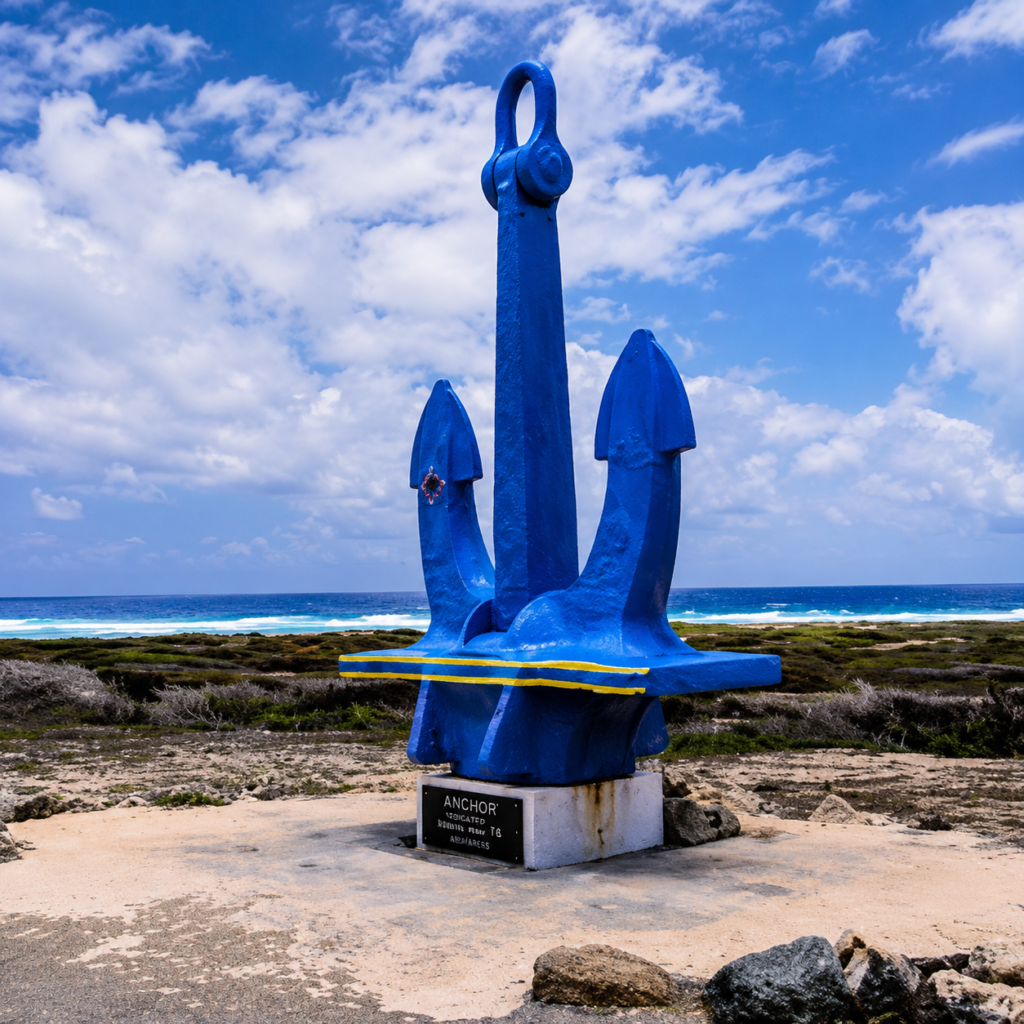
Anchor is one of Aruba's most recognizable landmarks, located in Seroe Colorado near the island's southeastern coast. This massive red anchor serves as a reminder of Aruba's maritime heritage and has become a popular stop for visitors exploring the southern part of the island. The site also offers beautiful coastal views and excellent photo opportunities.
Perched on a peaceful hilltop overlooking Aruba's northern coastline, Alto Vista Chapel is one of the island's most treasured landmarks. Originally established in 1750 as Aruba's first Catholic church, this charming yellow chapel offers visitors a place for reflection, history, and breathtaking views of the surrounding landscape.
Built in 1798, Fort Zoutman is Aruba's oldest surviving structure and one of the island's most important historical landmarks. Originally constructed to protect Aruba from pirates and foreign attacks, the fort now houses a museum where visitors can learn about the island's rich cultural heritage and colonial past.
The National Archaeological Museum of Aruba offers a fascinating journey through more than 4,000 years of island history. Through artifacts, exhibits, and interactive displays, visitors can discover the lives of Aruba's earliest inhabitants and gain a deeper understanding of the island's cultural heritage.
Founded in 1890, Aruba Aloe is one of the island's oldest and most iconic companies. Visitors can learn about the cultivation, harvesting, and production of aloe vera products while discovering how this remarkable plant became an important part of Aruba's history and economy.
Downtown Oranjestad is the colorful heart of Aruba, known for its Dutch-Caribbean architecture, lively shopping streets, waterfront views, and vibrant atmosphere. Visitors can explore historic buildings, local boutiques, restaurants, and cultural landmarks while experiencing the island's unique blend of European and Caribbean influences.
San Nicolas Street Art has transformed Aruba's second-largest city into a vibrant open-air gallery. Colorful murals created by local and international artists celebrate Aruba's culture, history, traditions, and diversity, making every street a unique artistic experience.
Donkey Sanctuary Aruba is a nonprofit rescue center dedicated to protecting and caring for Aruba's donkeys. Visitors can meet, feed, and interact with these friendly animals while learning about their important role in the island's history and culture.
The Butterfly Farm is one of Aruba's most enchanting family attractions. Visitors can walk through a tropical garden filled with colorful butterflies from around the world while learning about their fascinating life cycle, behavior, and habitats. Guided tours provide an educational and memorable experience for guests of all ages.
Aruba Ostrich Farm offers visitors a unique opportunity to get up close to the world's largest birds. Guided tours provide fascinating insights into ostriches, emus, and their behaviors, making this attraction both educational and entertaining for visitors of all ages.
Philip's Animal Garden is Aruba's only nonprofit animal rescue and rehabilitation center open to visitors. The sanctuary provides a safe home for a variety of rescued animals, offering guests the opportunity to learn about wildlife conservation while enjoying close encounters with many different species.
Aruba may be a small island, but its most beautiful beaches, natural attractions, cultural landmarks, and hidden gems are spread across different regions.
Having your own rental car allows you to explore the island comfortably, visit more places in less time, and discover Aruba at your own pace.
From iconic landmarks and white-sand beaches to natural wonders and family-friendly attractions, Aruba offers unforgettable experiences around every corner.
Reach secluded beaches, scenic viewpoints, and local favorites that many visitors never get the chance to see.
No waiting for tours or transportation schedules. Stop whenever you want and enjoy Aruba your way.
Capture Aruba's colorful landscapes, stunning coastlines, and unforgettable sunsets whenever inspiration strikes.
From California Lighthouse in the north to Baby Beach in the south, discover the island without limits.